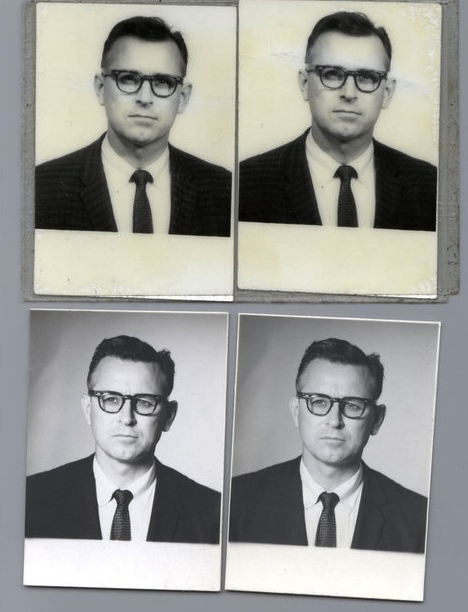
James Earl Ray’s passport photos 1968
At 11 o’clock in the morning on Saturday, June 8th 1968 an immigration officer at Heathrow Airport peered at a passenger’s Canadian passport, looked up and said casually;
Would you please step into our office for some routine questions, Mr Sneyd.
The man he called Mr Sneyd offered no protest and followed him into the office. His demeanour changed as soon as he saw a policeman in the room and he blurted out, “Oh God, I feel so trapped”. The bespectacled Mr Sneyd was found to not only have another passport on his person but also a .38 caliber revolver stuffed in his back pocket.
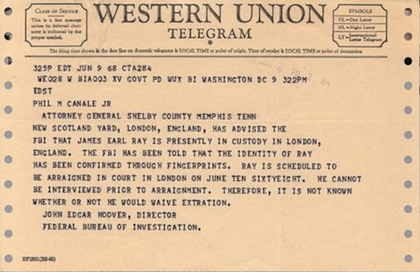
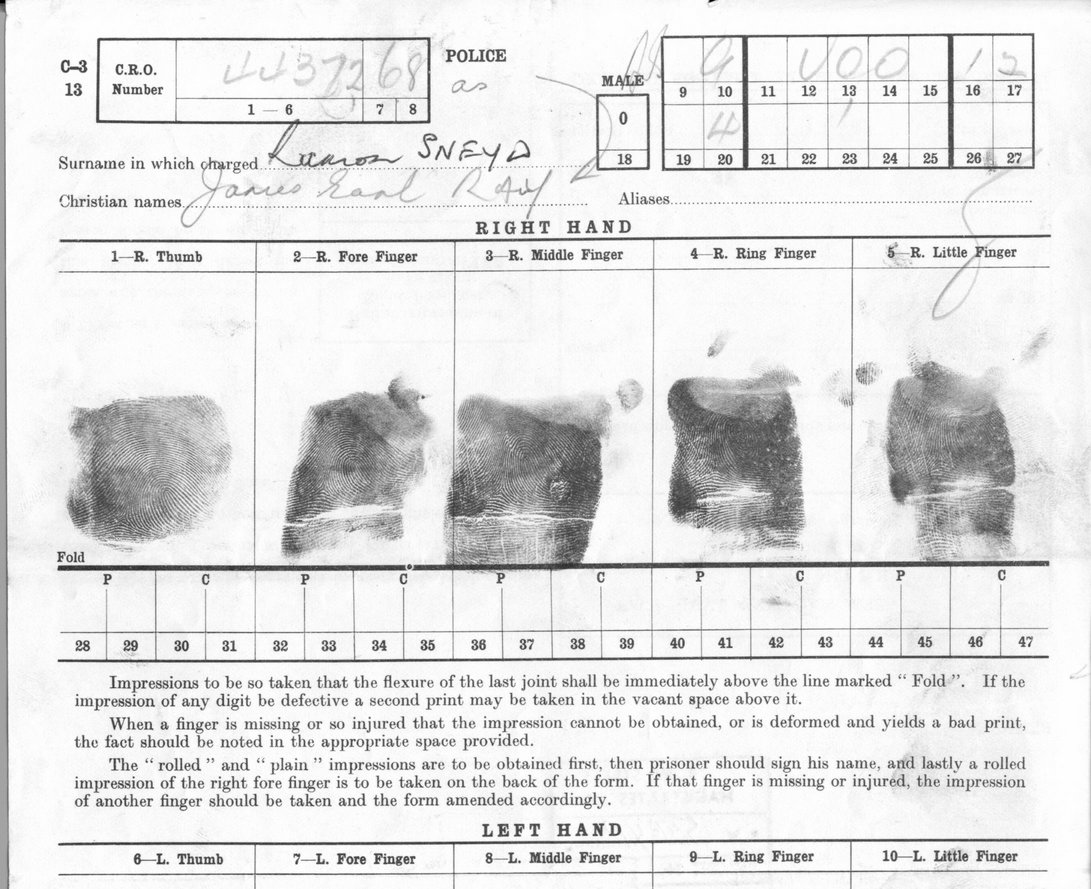
An hour later Scotland Yard’s Detective Chief Superintendent Tommy Butler, a man who had become well known to the British public after the arrest of the Great Train Robbers four years previously and not particularly prone to shyness when it came to publicity, arrived at Heathrow to make the arrest. The observant immigration official’s initial suspicions were confirmed by the senior policeman and fingerprints proved that Sneyd was, in reality, Illinois-born 40 year old James Earl Ray – the escaped convict accused of assassinating Martin Luther King on April 4 in Memphis Tennessee.
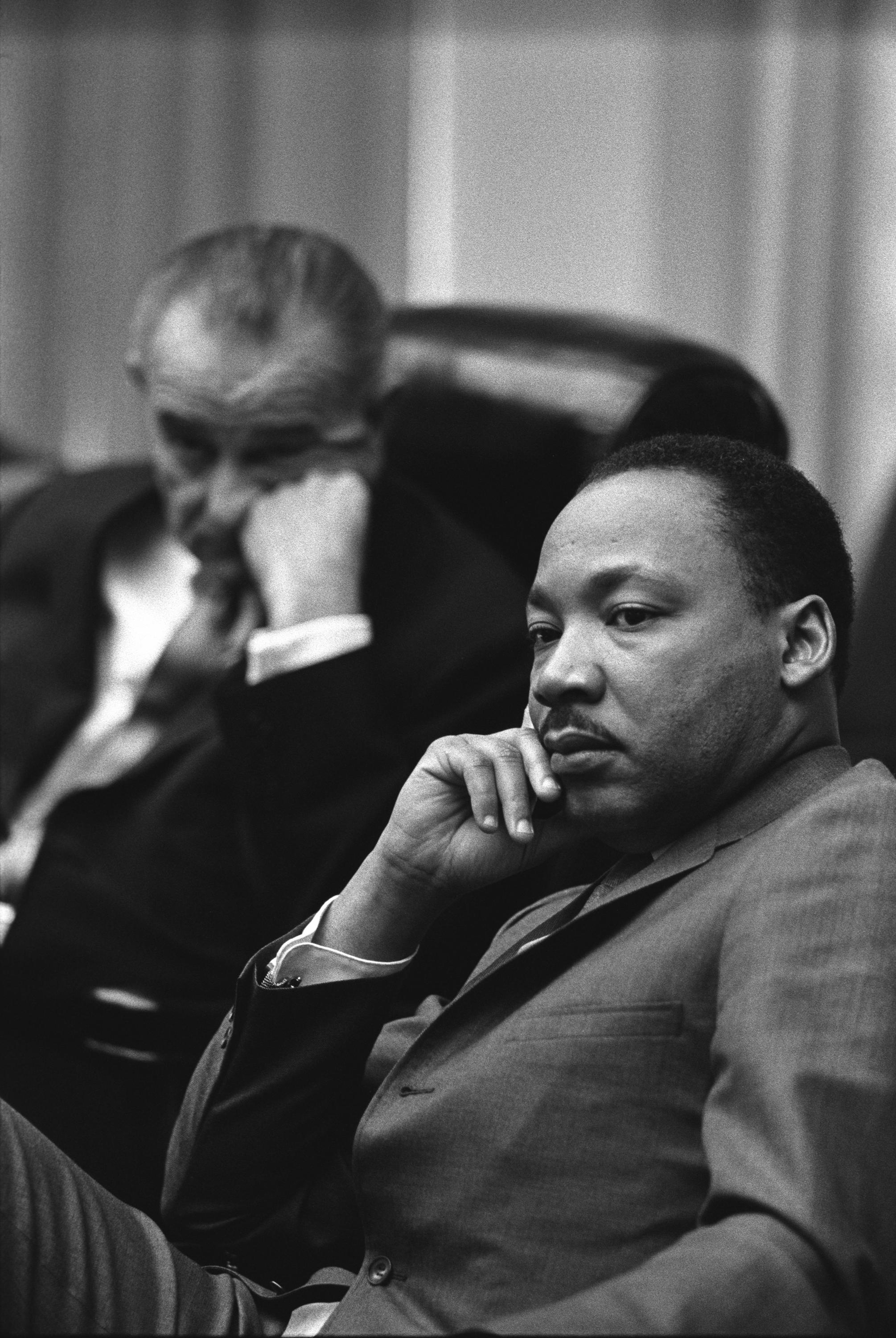
Martin Luther King with Lyndon Johnson in the background
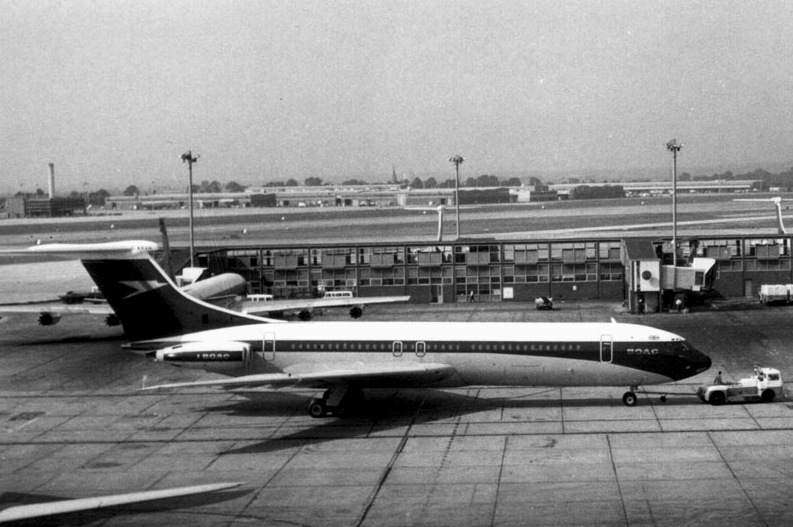
Heathrow in 1968
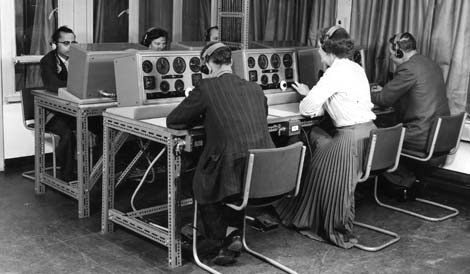
Air Traffic Control at Heathrow in 1968
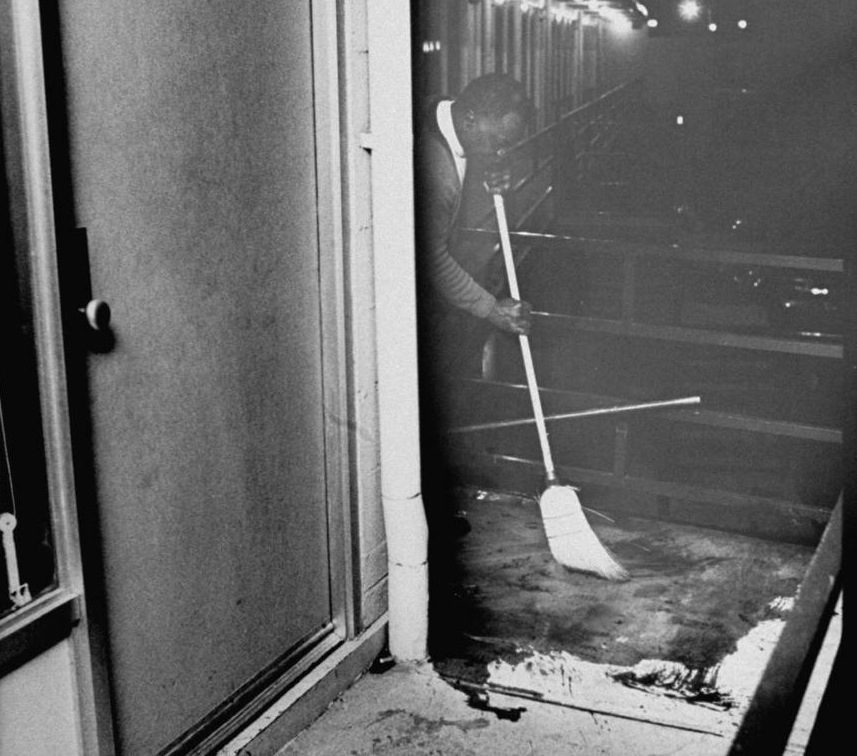
The bloody balcony in Memphis where Martin Luther King was assassinated
Four days after he had fired the Remington rifle that had killed Dr King, Ray had driven across the Canadian border and rented a room in Toronto. It was well-known amongst American prisoners, and Ray had been an habitual but unsuccessful criminal pretty well all his adult life, that it was ludicrously easy to get a Canadian passport. All you really had to do, essentially, was swear that you were Canadian and ask for one. Ray requested a passport under the name of Ramon George Sneyd – a Toronto policeman whose name was probably picked at random from a city directory. On May 6 he flew on a BOAC plane to London and on the following day he flew on to Portugal.
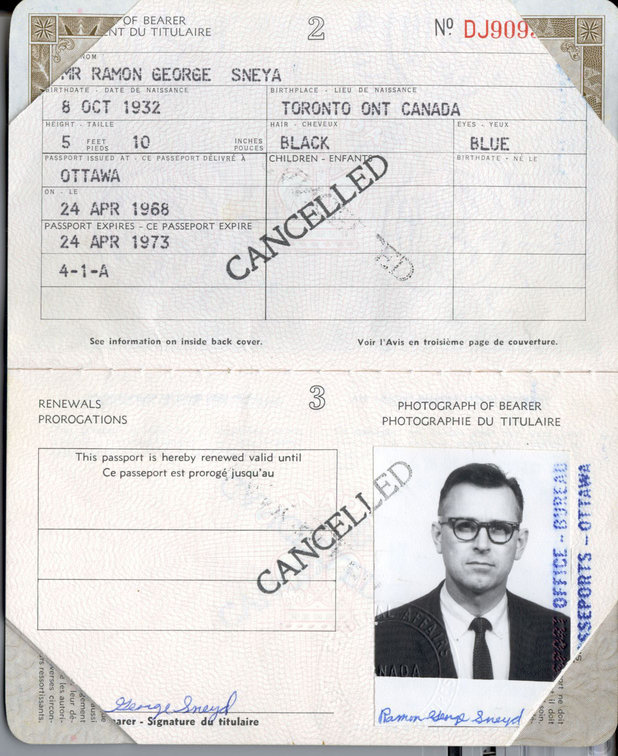
The fake passport used by James Earl Ray
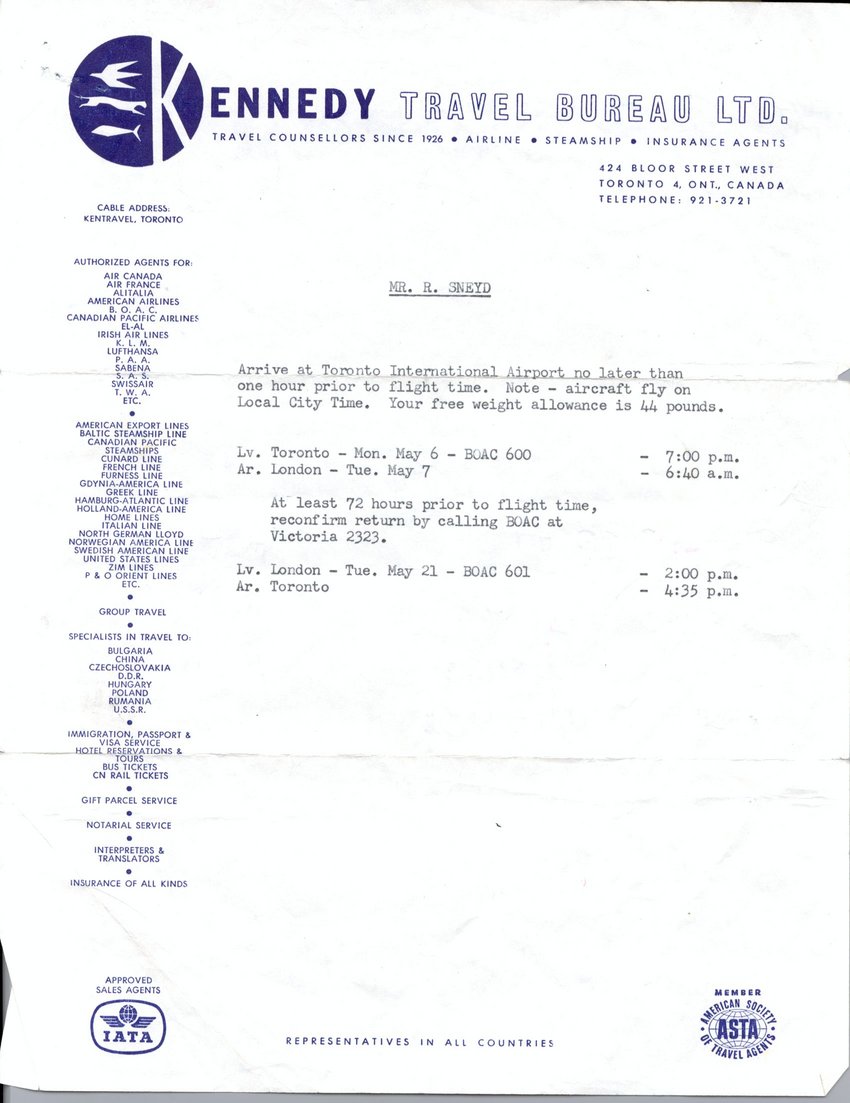
Ray’s flight details from Toronto to London
The FBI, meanwhile, had launched their biggest manhunt in their history but there seemed to be almost no leads at all. On June 1, however, there came a big break. At the FBI’s request (they were also aware of Canada’s lax passport rules), the Royal Canadian Mounted Police had been checking hundreds of thousands of passport photos and eventually they came across a picture that closely resembled the escaped convict and the only real suspect for Martin Luther King’s murder – James Earl Ray
While this was all going on, Ray was in Lisbon working out his next move. He attempted to change his fake passport but only got as far as changing the ‘d’ in Sneyd to an ‘a’ – telling the Canadian consul: “My name has been misspelled,” and with no questions asked he was issued with a new passport on May 16.
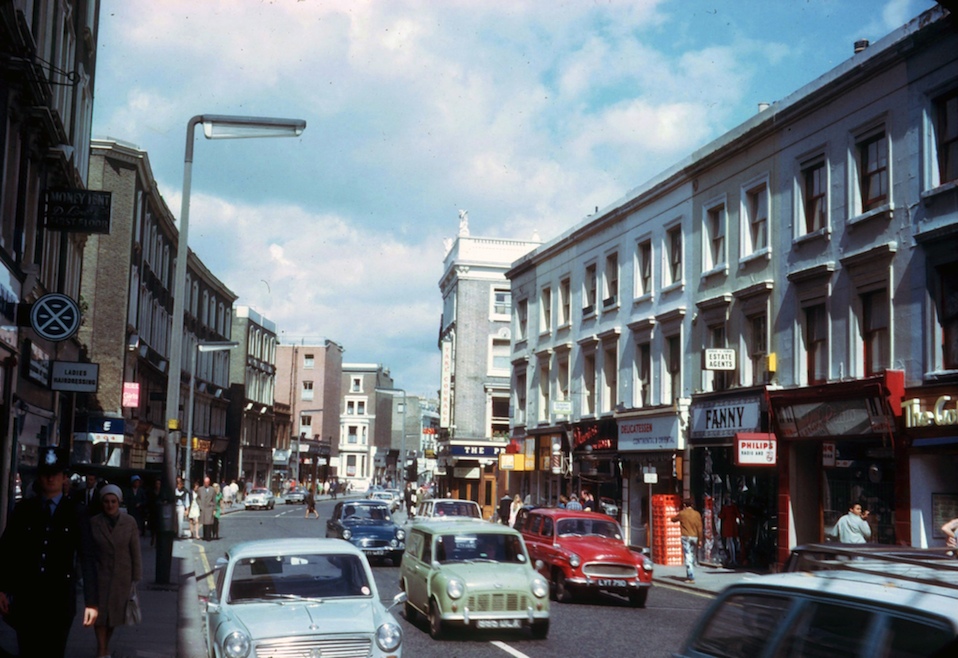
Earls Court in 1968. Photographer Bill Holmes
The following day Ray flew back to London and anonymously stayed in one of the hundreds of back-street seedy hostels around the Victoria, Pimilico and Earls Court areas of London. On May 28 he checked into the New Earl’s Court Hotel situated at 35-37 Penywern Road – a seedy and run-down street in those days. Jane Nassau the receptionist at the hotel helped Ray with the confusing 5p and 10p coins that had been introduced a month or so before. She later stated that: “I recognised his southern drawl and wondered why he had a Canadian passport.”
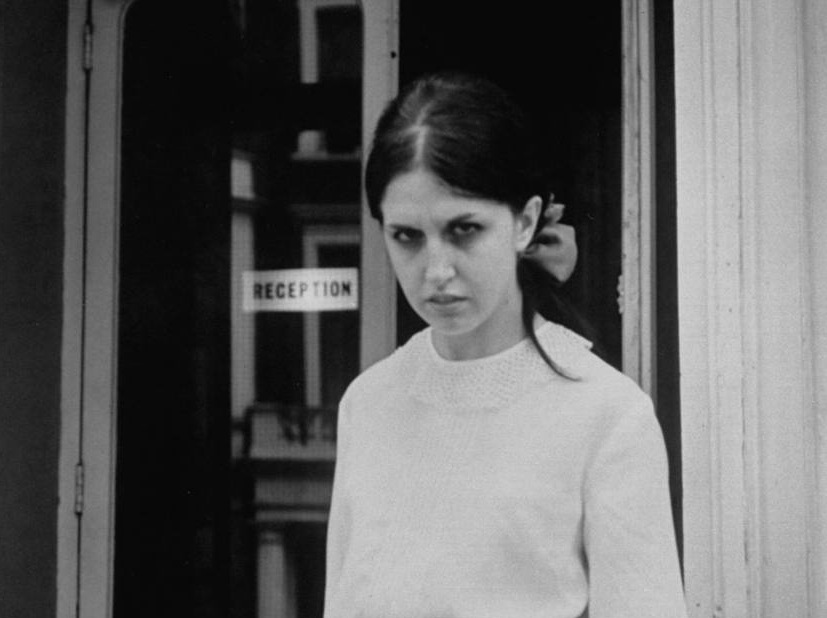
jane Nassau, the receptionist at the New Earls Court Hotel
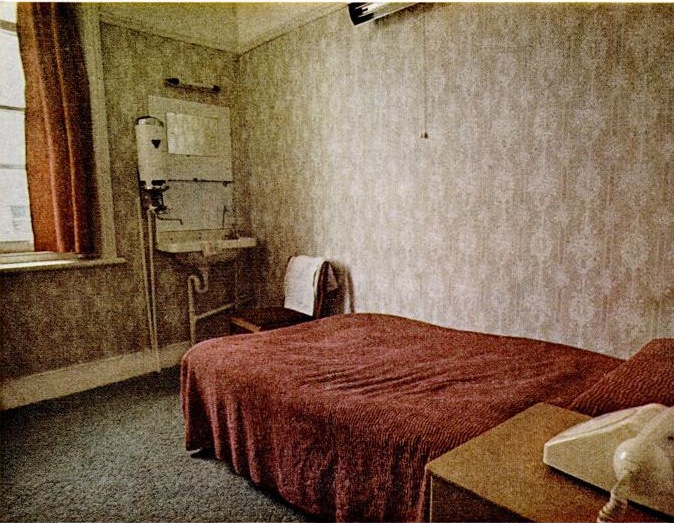
Room 54 at the New Earls Court Hotel
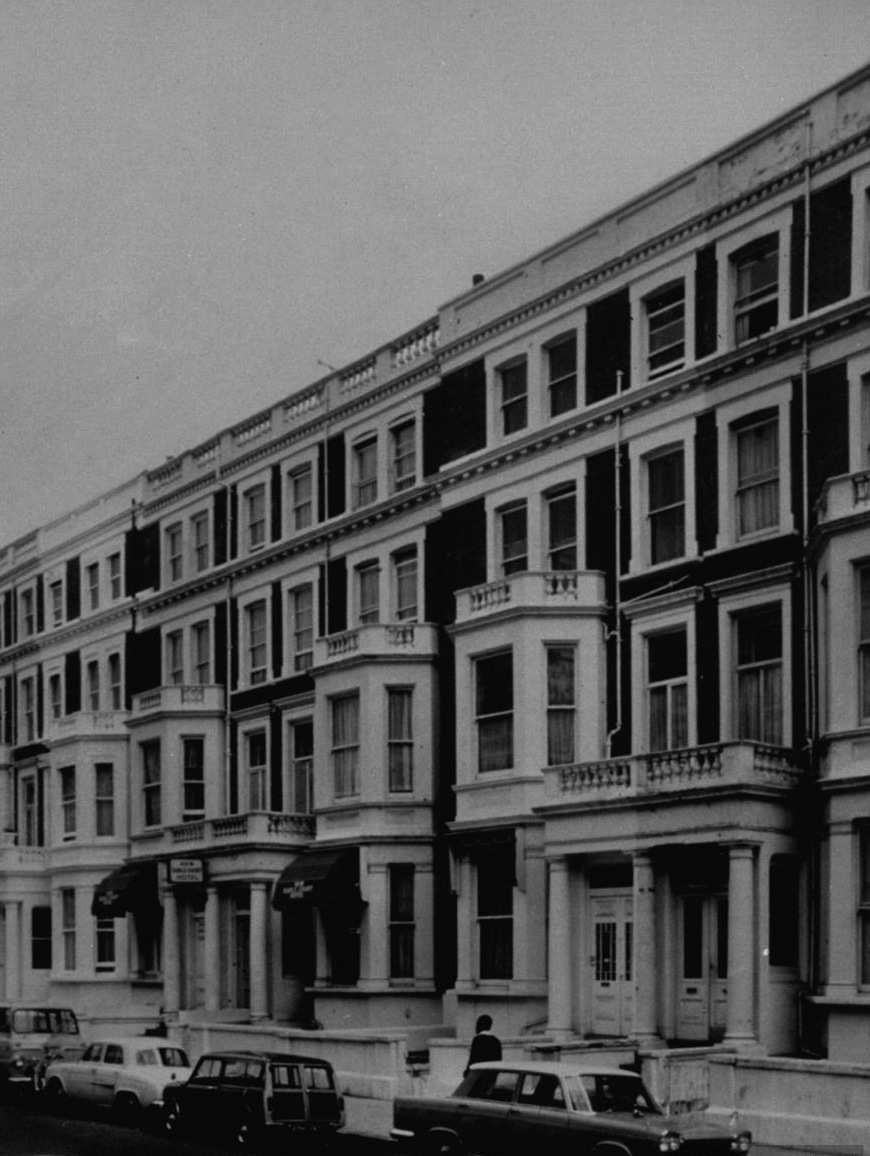
The New Earls Court Hotel in 1968
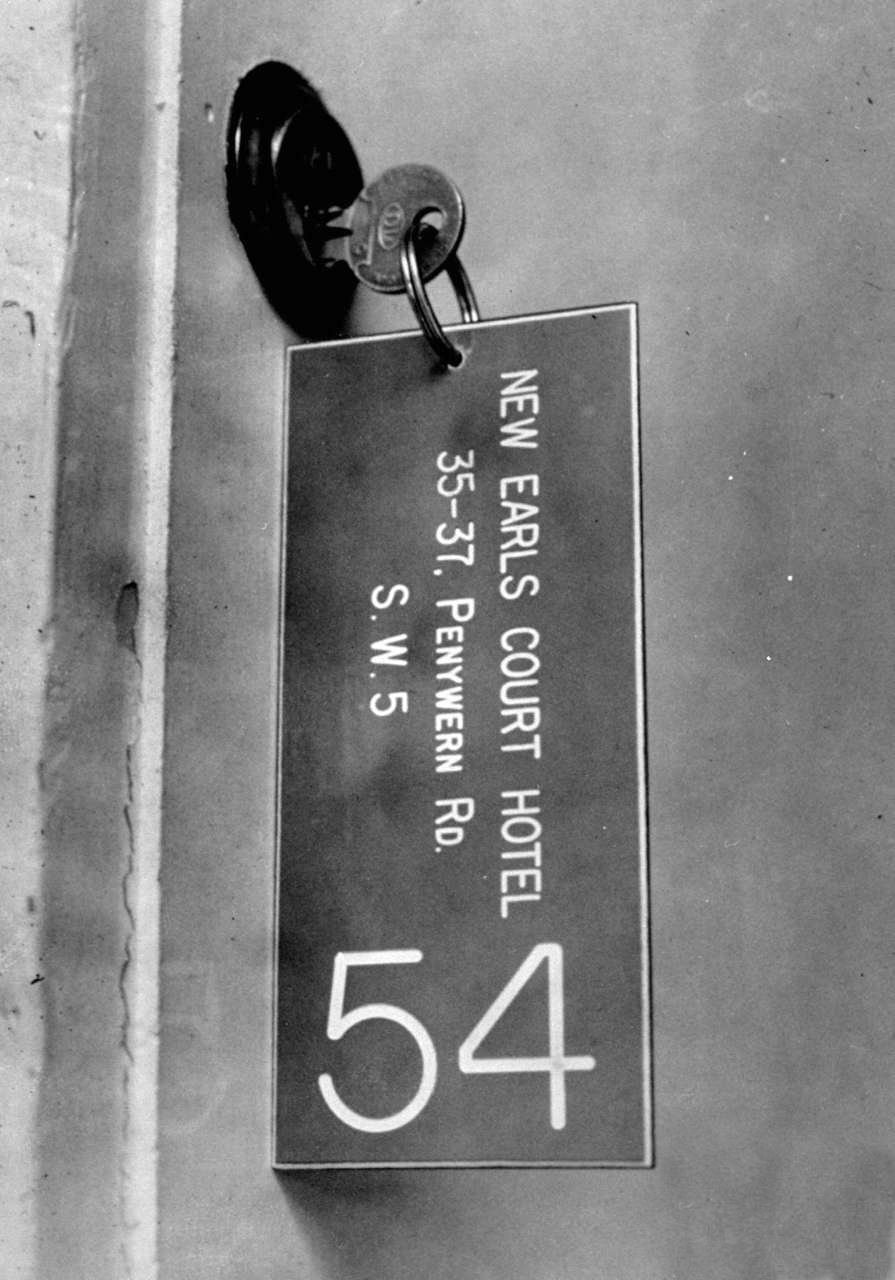
The very door key for room fifty-four used by Ray at the New Earls Court Hotel
On June 5 Ray moved again, this time staying at the Pax Hotel at 126 Warwick Way (equally seedy in the late sixties) which was run by Swedish-born Mrs. Anna Thomas. She later told reporters that for the next three days Ray never left his room for more than 20 minutes. He even refused to to emerge for four telephone calls, two of them from an airline. When she brought breakfast to Ray’s door:
“He was always fully dressed. I had the idea that he never got undressed for bed.”
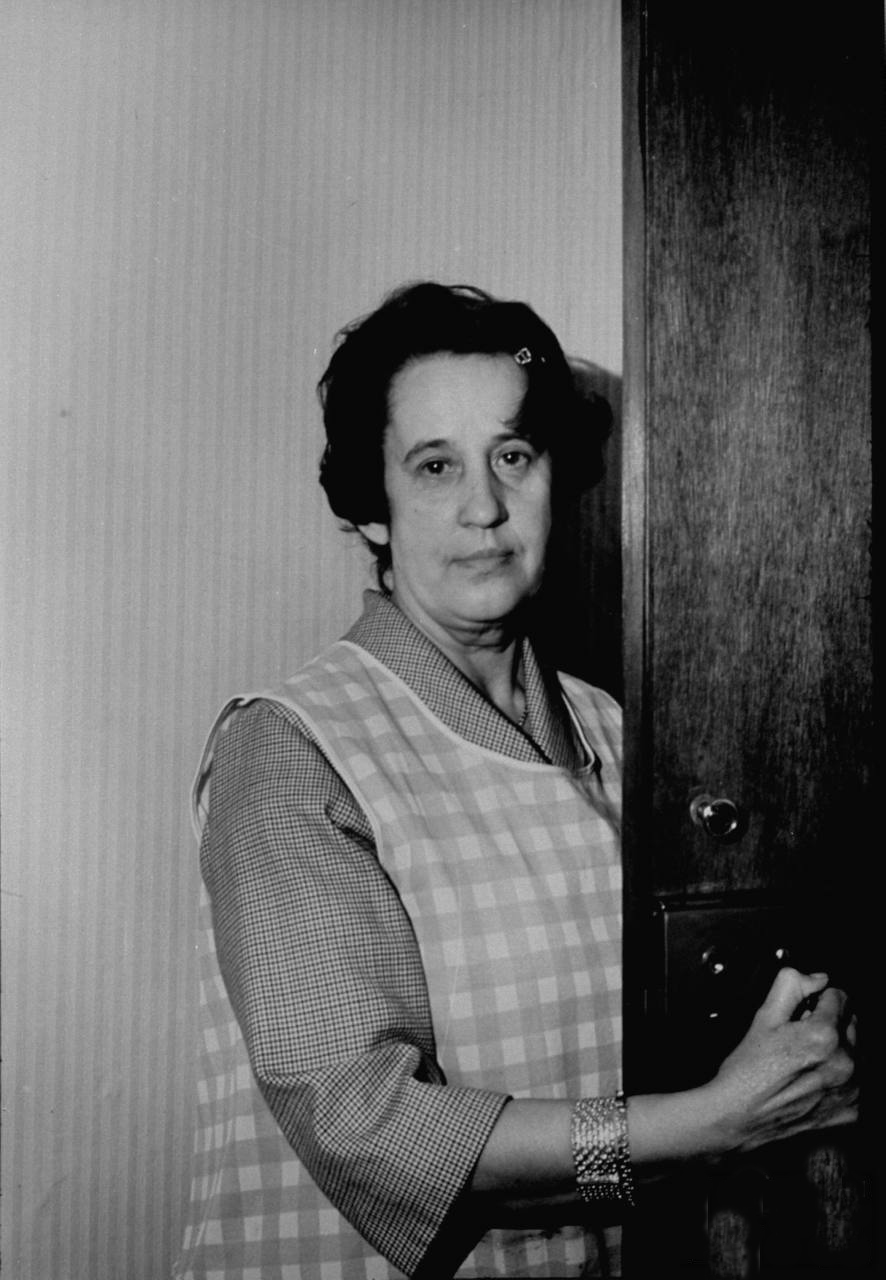
Mrs Thomas, the proprietress of the Pax Hotel in Pimlico
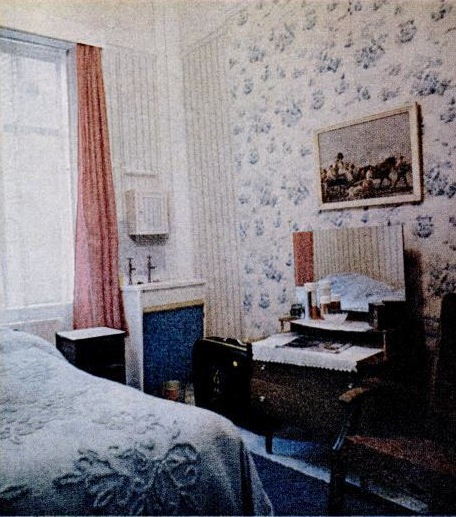
Ray’s room at the Pax Hotel
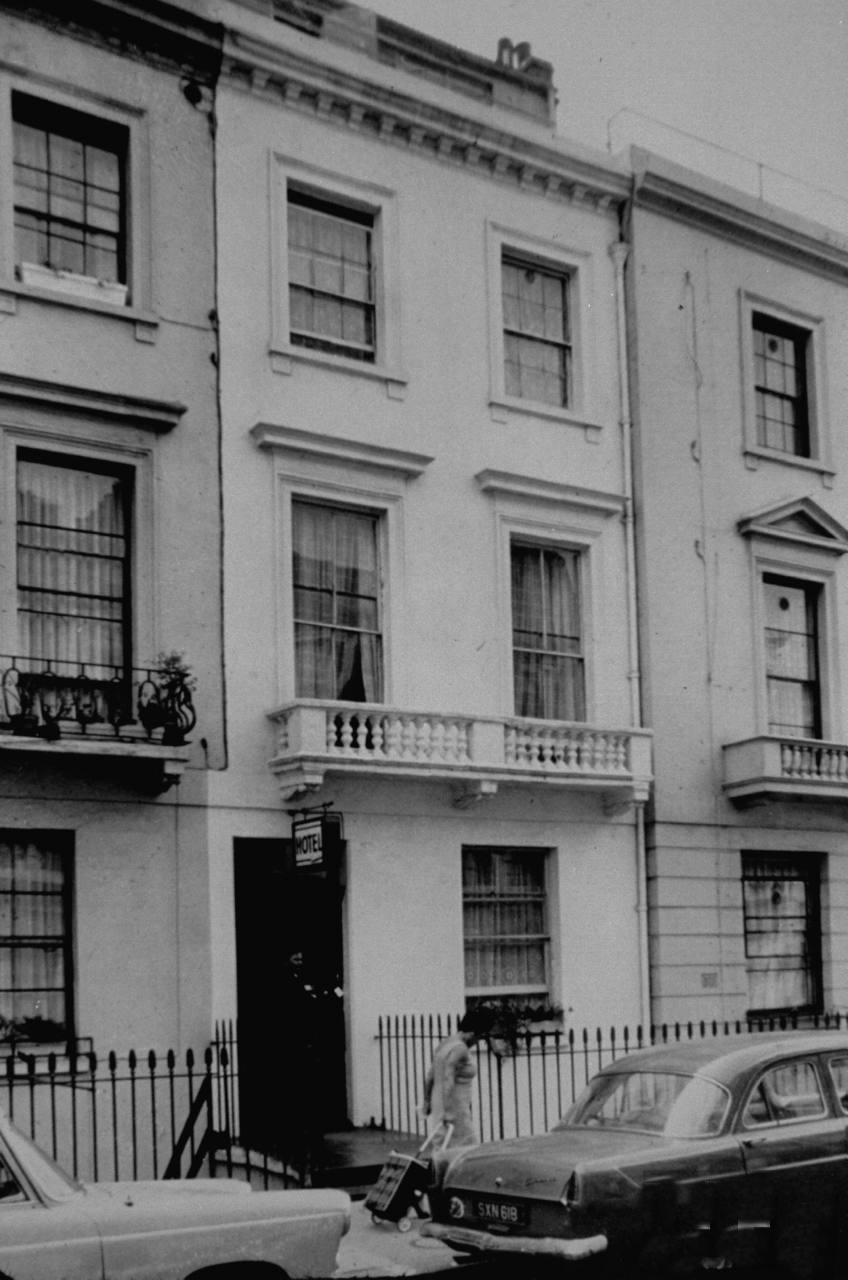
The Pax Hotel, 126 Warwick Way in 1968
It was never revealed how he got the number, but on June 6 while staying at the Pax Hotel, Ray mysteriously telephoned Ian Colvin, a senior journalist at the Daily Telegraph and asked him for a contact who could help him to become a mercenary. Colvin offered an address in Brussels and it was to there Ray was heading when he was arrested at Heathrow two days later.
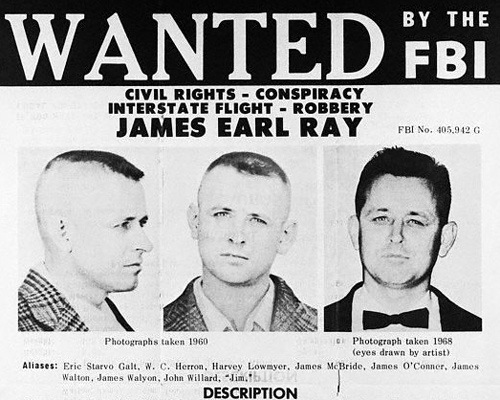
FBI Wanted Poster
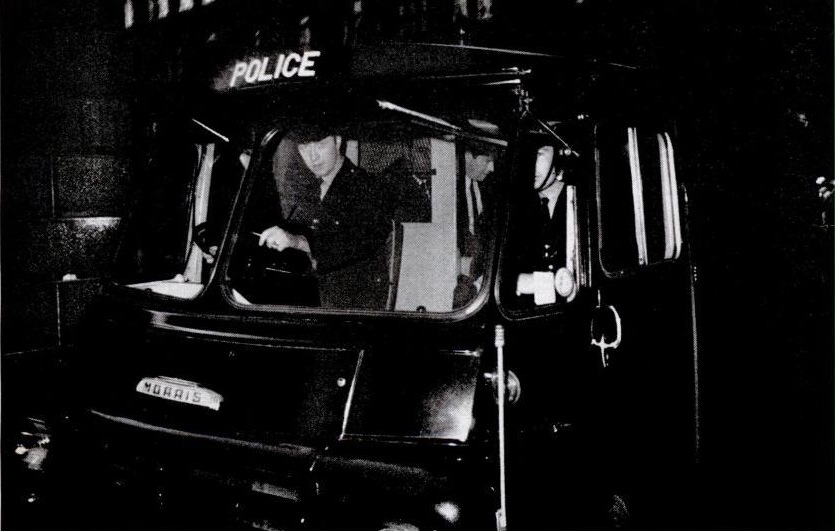
The police van bringing James Earl Ray to court
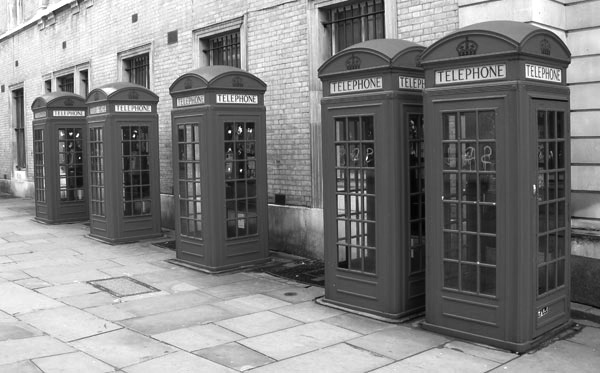
There must have been a rugby scrum of reporters around these phone boxes outside Bow Street Magistrates Court, June 14 1968
Ray was charged at Cannon Row police station with possessing a forged passport and having a firearm without a certificate but on June 14th when he entered the witness box at Bow Street Magistrates Court for his extradition hearing, he flatly denied that he had killed Martin Luther King. Roger Frisby, his British lawyer, asked him these questions:
“Are you the man who was arrested at London Airport?
“Yes”
“Did you know Dr. Martin Luther King?
“No Sir”
“Had you ever met him personally in your life?”
“No Sir”
“Have you ever had any grudge of any kind against him?”
“No Sir”
“Did you kill Dr. Martin Luther King?”
“No, Sir”
Ray almost certainly did kill Martin Luther King and he was quickly extradited to the States and charged with his murder. He confessed to the assassination on March 10, 1969, (although three days later he wrote a letter to the court asking that his plea be set aside – the judge refused the request) and was sentenced to 99 years in prison.
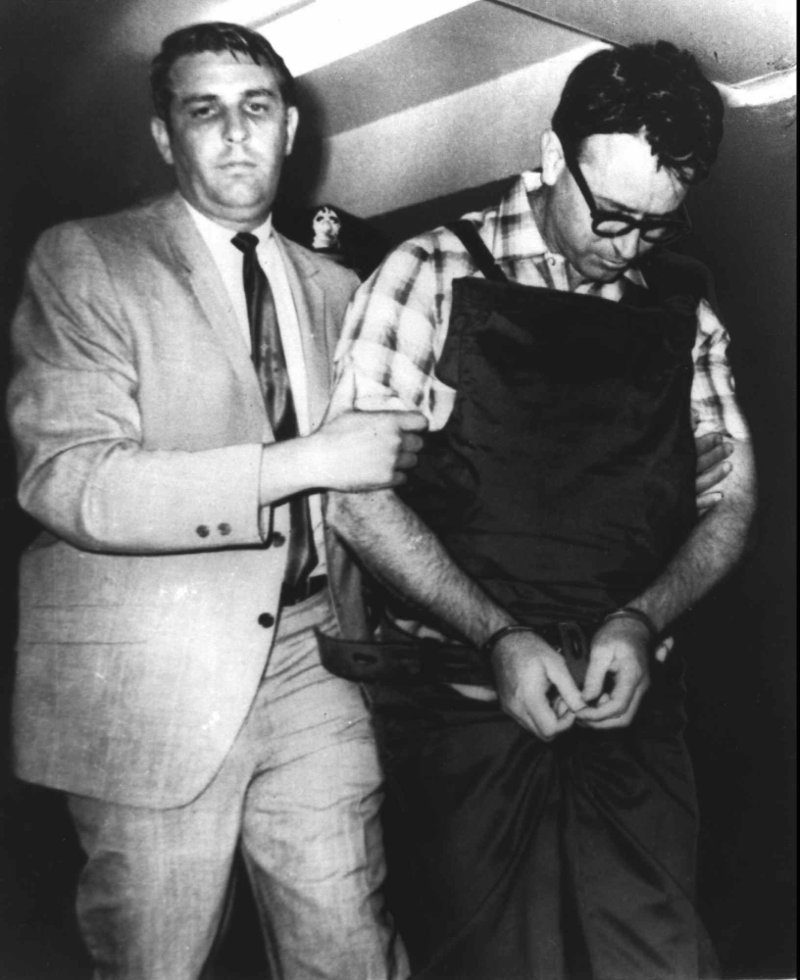
James Earl Ray back in America
On June 11, 1977, Ray and six others escaped from Brushy Mountain State Penitentiary in Petros, Tennessee but recaptured three days later. A year was added to Ray’s previous sentence, to total 100 years.
James Earl Ray died in 1998 at the age of 70 from complications related to kidney disease caused by hepatitis C probably contracted as a result of a blood transfusion given after a stabbing while at Brushy Mountain.
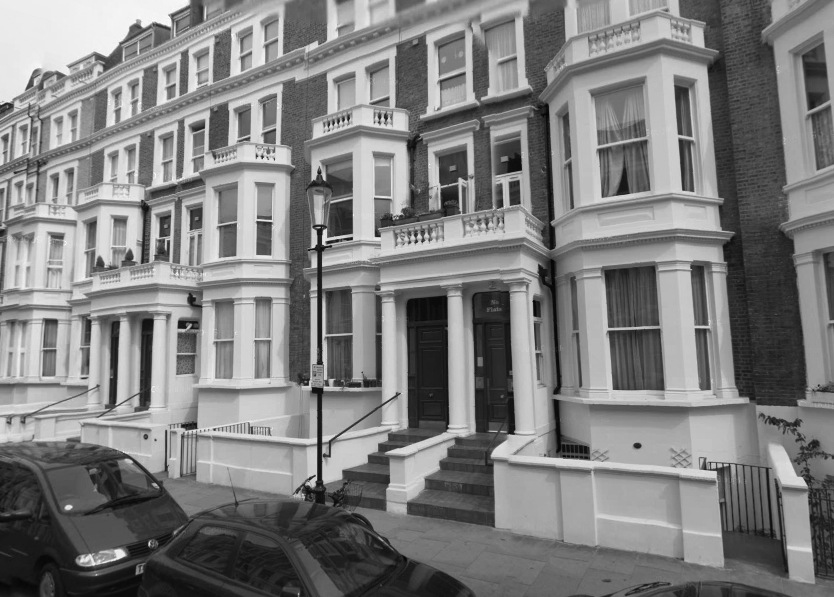
35-37 Penywern Road today, the former site of the New Earls Court Hotel
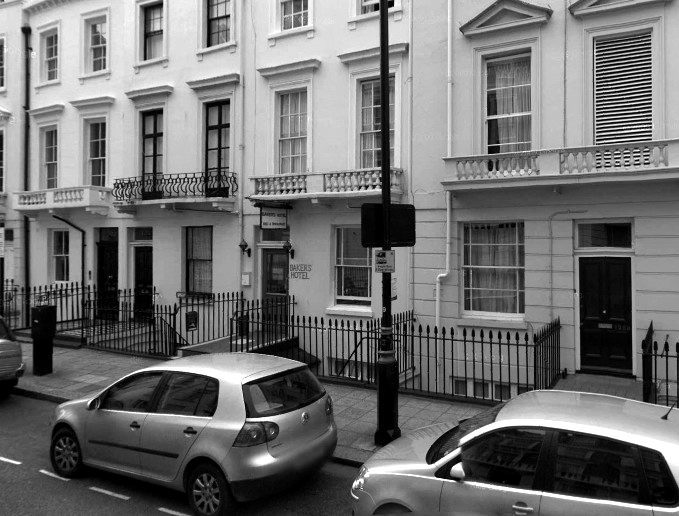
Bakers Hotel (formerly the Pax Hotel) at 126 Warwick Way today
.
Dion and the Belmonts – Abraham, Martin and John


