Posts Tagged ‘gossip’

No.1 Eaton Square, Lord Boothby and Ronnie Kray

Wednesday, February 18th, 2009

A shit of the highest order…well, a bit. Not entirely.


boothby-kray-and-holt

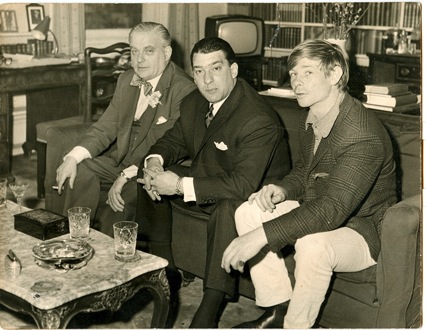
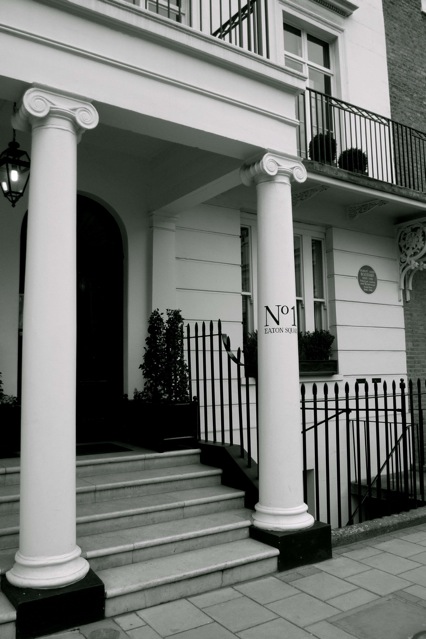
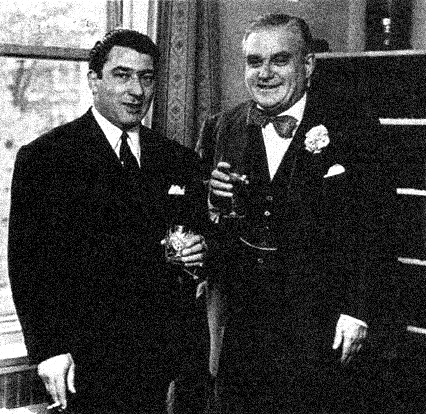
At the flat of Lord Boothby, situated at the prestigious address No 1 Eaton Square in Belgravia, three men looked up towards a photographer who duly pressed the camera’s shutter. The resultant photograph featured, perched on a small sofa, Lord Boothby himself, Ronnie Kray the infamous East End gangster, and Ronnie’s friend, the good-looking young cat-burgler called Leslie Holt.

It was early 1964, and for the struggling Conservative government at the time, the photograph not only threatened to cause another scandal that rivalled the previous year’s Profumo affair, but it almost certainly enabled the Kray twins’ criminal career of extortion and protection to remain pretty well unchecked for the next five years.

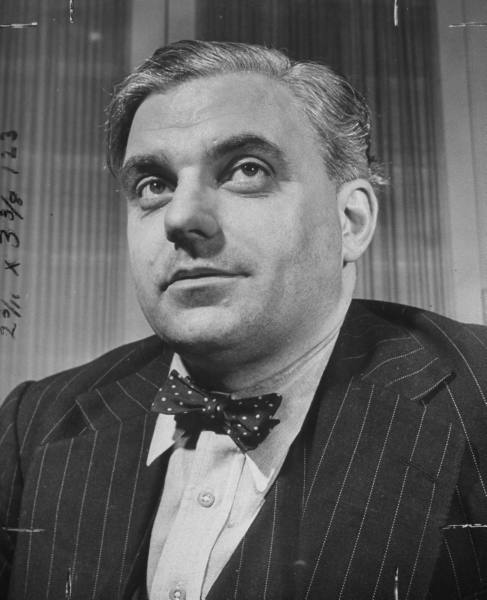
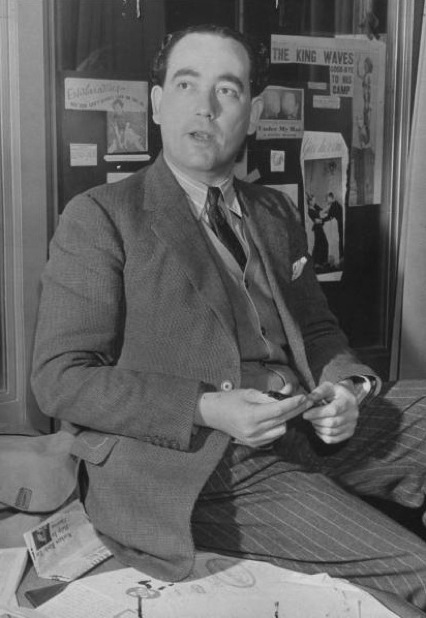
Robert Boothby MP in 1945

Robert Boothby MP in 1945

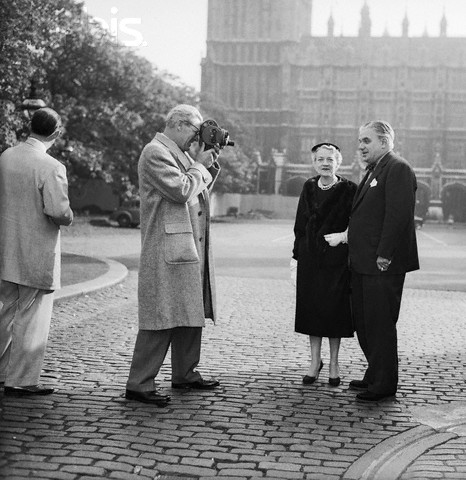
Sir Robert Boothby filming outside Parliament in 1954

Sir Robert Boothby filming outside Parliament in 1954

No 1 Eaton Square today

No 1 Eaton Square today

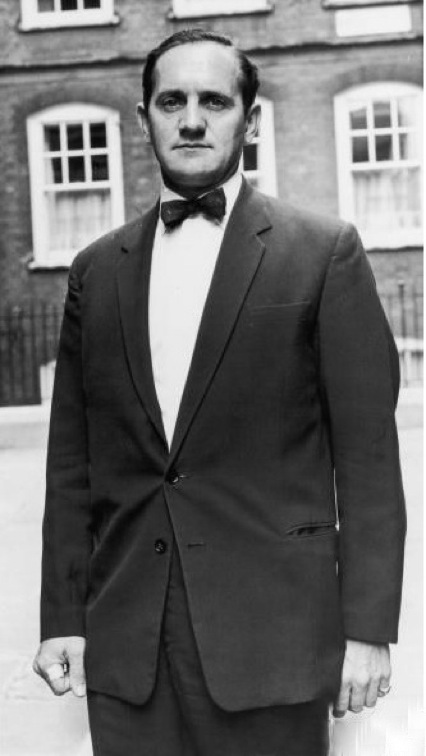
The Eton and Oxford educated Lord Robert Boothby was in 1964 one of the country’s more famous politicians (in March that year he had appeared on Eamonn Andrews’ This Is Your Life). He had entered Parliament at just 24 and had once been tipped as future leader of the Conservative party not least because he had been the private secretary and friend of Sir Winston Churchill. Churchill made him Minister of Food for the wartime government in 1939. However Boothby was not without his flaws and was sacked only a year later after lying to parliament about a financial deal with which he had intended to pay off his, not inconsiderable, gambling debts.

Boothby remained in politics and was even made a peer in 1958 by the Conservative Prime Minister Harold Macmillan. It was a particularly benevolent act as the first (and last) Baron Boothby of Buchan and Rattray Head had been having an affair with the PM’s wife since around 1930. During this time Boothby fathered a child with Lady Macmillan (the Macmillans brought up Sarah Macmillan as their own) but in those days no one broke rank and told the voters. In fact, it never even got to Sarah herself – she was apparently casually and cruelly told who her real father was when she was 21.

The writer and broadcaster Sir Ludovic Kennedy (and Boothby’s cousin) said of him “…to my certain knowledge [Boothby] fathered at least three children by the wives of other men (two by one woman, one by another).” Kennedy also once called him, and to his face, “a shit of the highest order”; Boothby’s response was to rub his hands, give a deep chuckle and say “Well a bit. Not entirely.”

Boothby’s undeniable charm, along with his friends in very high places, kept any scurrilous rumours, malicious gossip and untoward publicity about him away from the front pages of Fleet Street . However Britain’s newspaper industry was beginning to develop a taste for Establishment blood.

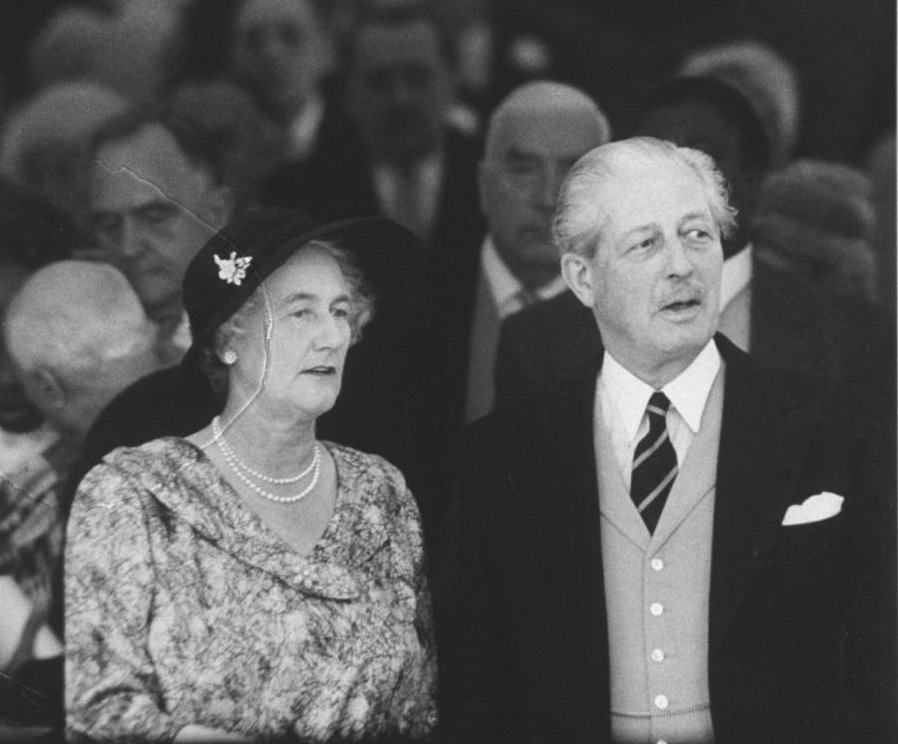
Prime Minister Macmillan and his wife in 1960

Prime Minister Macmillan and his wife in 1960

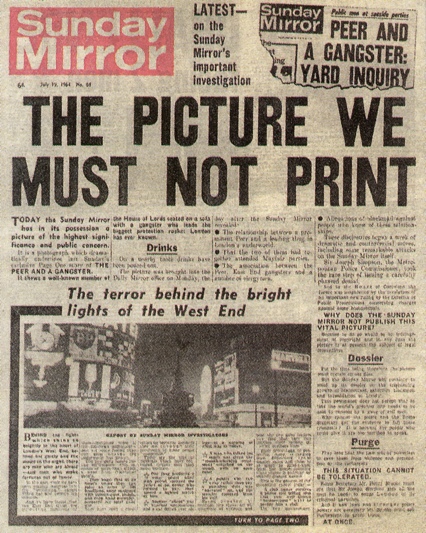
The colourful, although up to now reasonably discreet, life of Boothby was shaken up on the 12th July 1964 when the Sunday Mirror, as part of an ongoing expose on ‘the biggest protection racket London has ever known’, ran a story under the headline “Peer and a gangster: Yard probe.” The newspaper claimed that the police were investigating a homosexual relationship between a “prominent peer and a leading thug in the London underworld”. The peer was a “household name” and that the inquiries embraced Mayfair parties attended by the peer and the notorious gangster. The following week the Sunday Mirror’s front page announced “The picture that we must not print”. However the newspaper helpfully described the picture, saying that it showed a gangster and a the peer in the latter’s Mayfair flat.

A few days later the German magazine Stern, not so worried about Britain’s libel laws, printed an article entitled ‘Lord Bobby In Trouble’ and went so far as naming Lord Boothby and Ronnie Kray. When the story broke Boothby was holidaying in France and later would disingenuously say that he was initially baffled as to the peer’s identity. When he arrived home he called his friend, former Labour Party chairman and journalist Tom Driberg who, according to Boothby, said ‘I”m sorry Bob, it’s you’.

Lord Boothby was at this stage in a tricky situation, while he admitted to having met Ronnie Kray during two or three business meetings, he flatly denied the rest of the allegations. However if he decided to do nothing about the situation it would seem as if was admitting the accusations, but if he sued the Mirror he could be involved in a lengthy and expensive court case with the risk that the tabloid would rake up all kinds of revelations to support the story.

At this stage the people who led the Tory party were convinced that the scandal was likely to rival the Profumo affair (which had similarly bubbled under the surface for a while) a situation the Tories could ill-afford as there was almost certainly a general election looming. Two Tory back-benchers had even reported to their Chief Whip that they had seen “Lord Boothby and (Tom) Driberg importuning males at a dog track and were involved with gangs of thugs who dispose of their money at the tracks”. At Chequers the story and its implications were debated by the Lord Chancellor, Lord Dilhorne, the Home Secretary, Henry Brooke, and the Prime Minister and they must have thought the worst.

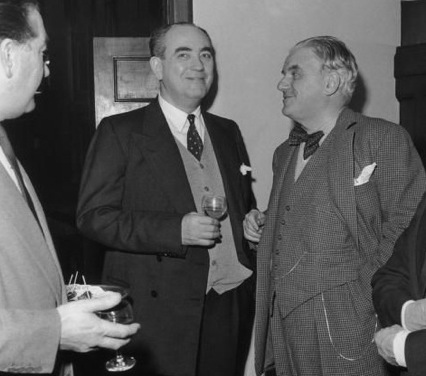
Tom Driberg and Lord Boothby

Tom Driberg and Lord Boothby

Luckily for the Tories Boothby’s connection with Tom Driberg, which was coming to light, meant that the Labour party were in no mood to take advantage of the situation. If Boothby went to court then it seemed more than likely that Driberg’s private life would also be raked over and exposed. According to Francis Wheen – his biographer – Driberg was a regular at Ronnie Kray’s flat, where ‘rough, but compliant East End lads were served like so many canapes’.

It was known to most of Westminster and Fleet Street (Driberg had been the William Hickey gossip columnist in The Daily Express) that few attractive men were safe from Driberg’s attentions and he was, as a contemporary would describe him, “a voracious homosexual”. Homosexuality was then, of course, illegal – voracious or otherwise. By all accounts Driberg was an enthusiastic follower of the concept that there is no such thing as a heterosexual male, only that some are a bit obstinate.

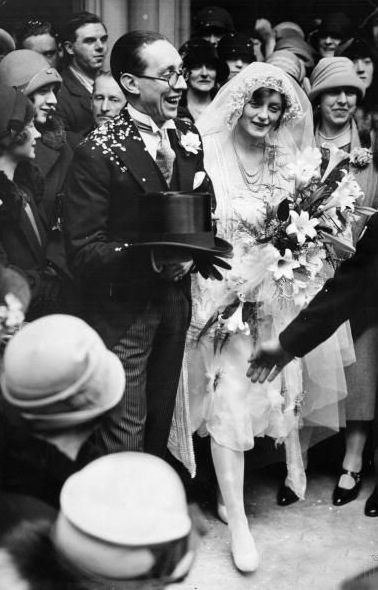
In 1951, to the complete and utter disbelief of Westminster, Driberg announced that he was to marry an Ena Binfield. Churchill, shown a picture of the rather, it has to be said, plain bride-to-be, remarked, ‘Oh well, buggers can’t be choosers.’ A policeman at the commons expressed sympathy for Binfield: ‘Poor lady, she won’t know which way to turn.’

Driberg as William Hickey in 1940

Driberg as William Hickey in 1940

Tom Driberg marries Ena Binfield

Tom Driberg marries Ena Binfield

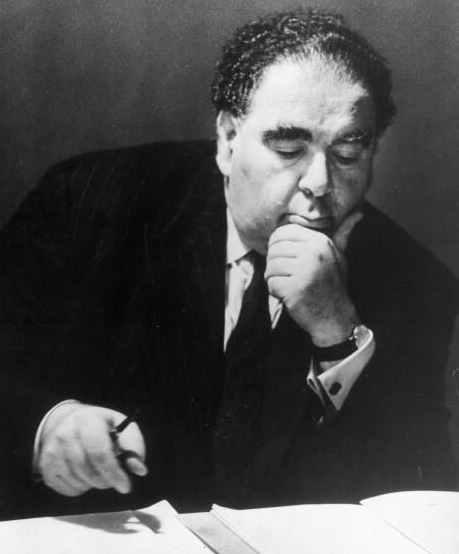
The involvement of Tom Driberg MP in the story meant that Harold Wilson’s personal solicitor, the overweight and rather louche solicitor Arnold Goodman became involved. To Wilson, as well as many others, Goodman came by the name ‘Mr Fixit’. The lawyer offered to represent Lord Boothby and advised by Goodman, Boothby wrote a famous letter to the Times denying all of the Mirror’s allegations. The letter stated that he was not a homosexual and that he had met the Ronald Kray;

“who is alleged to be king of the underworld, only three times on business matters and then by appointment in my flat, at his request and in the company of other people … In short, the whole affair is a tissue of atrocious lies.”

'Mr Fixit' Lord Goodman in 1965

'Mr Fixit' Lord Goodman in 1965

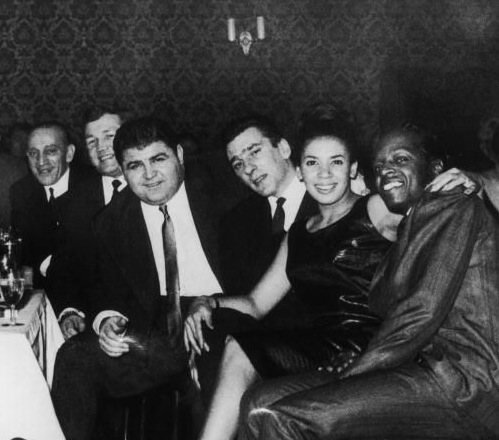
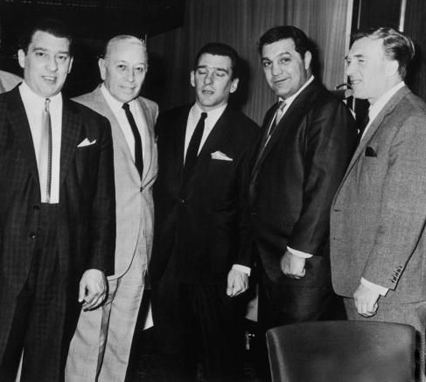
Boothby also wrote to the Home Secretary explaining that he had not known Kray was a criminal, and had in any case turned down the business plan he had been discussing with him. Kray had wanted to be pictured with Boothby because he was a personality, and it would have been churlish to refuse. The Kray twins at this stage were not, to the general public anyway, particularly well-known but this was changing, much to the twins delight, because they liked having their photographs taken with well-known celebrities of which Lord Boothby was one.

with Judy Garland in 1964

with Judy Garland in 1964

Reggie Kray with Shirley Bassey

Reggie Kray with Shirley Bassey

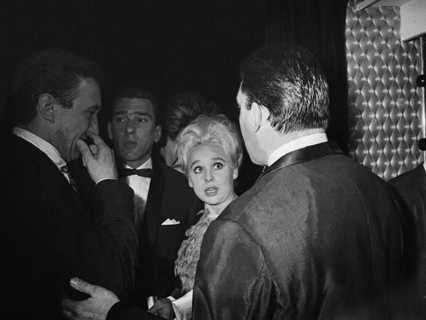
Krays with Barbara Windsor

Krays with Barbara Windsor

with George Raft and Rocky Marciano

with George Raft and Rocky Marciano

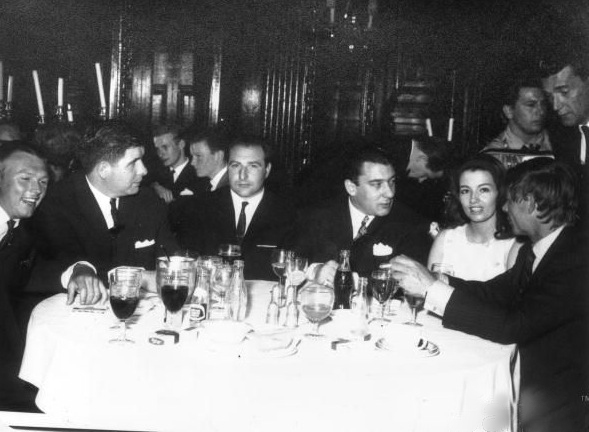
Ronnie with Christine Keeler and Leslie Holt

Ronnie with Christine Keeler and Leslie Holt

Mw

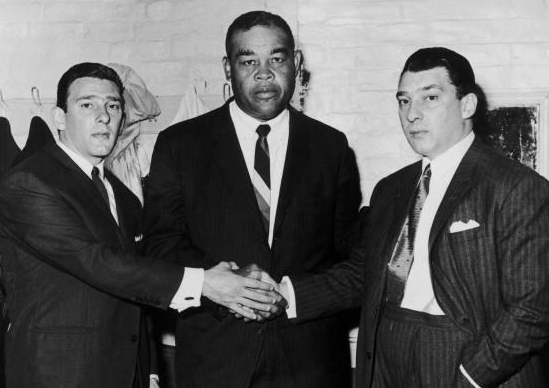
with Joe Louis

After The Times published the letter Goodman won a quick agreement from the International Printing Corporation, owners of the Sunday Mirror, saving Boothby from the court case he, and the Government, were dreading. This wasn’t all, Goodman won his client a record out-of-court settlement of £40,000 and a grovelling and demeaning public apology signed by Cecil King, the chairman of IPC.

Derek Jameson, the Mirror picture editor, and future editor of the Daily Express and News Of The World, at the time remembered that for a long time Fleet Street refused to go anywhere near the Krays: ‘Dodgy trouble, ₤ 40,000, not very nice,’ he said. Subsequently the Twins were known by the Mirror for years as ‘those well-known sporting brothers’.

The Commissioner of the Metropolitan police – Sir Joseph Simpson – had to deny publicly that there had been a police investigation of the Boothby-Kray affair. However since the beginning of 1964 the Kray twins and their gang had been under the scrutiny of Detective Chief Inspector Leonard Read, also know by his nick-name ‘Nipper.’

Leonard 'Nipper' Read

Leonard 'Nipper' Read

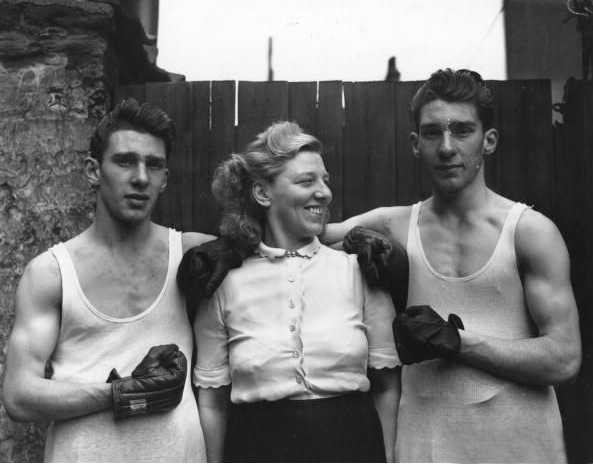
The 'well known sporting brothers' and their mother Violet

The 'well known sporting brothers' and their mother Violet, back in the day.

On January 10th 1965 the Kray twins were arrested and charged with demanding money with menaces from Hew McCowan the owner of a club in the West End called the Hideaway. They were refused bail and sent to court.

It was hard enough for Read to find anyone with enough suicidal tendencies to testify against the Krays as it was, but the case against them wasn’t helped when a month after their arrest Boothby stood up in the Lords and inquired whether the Government intended to keep the Kray twins in custody for an indefinite period? He added ‘I might say that I hold no brief for the Kray Brothers’. There was a complete uproar in the house after the question, to which Boothby shouted ‘we might as well pack up’.

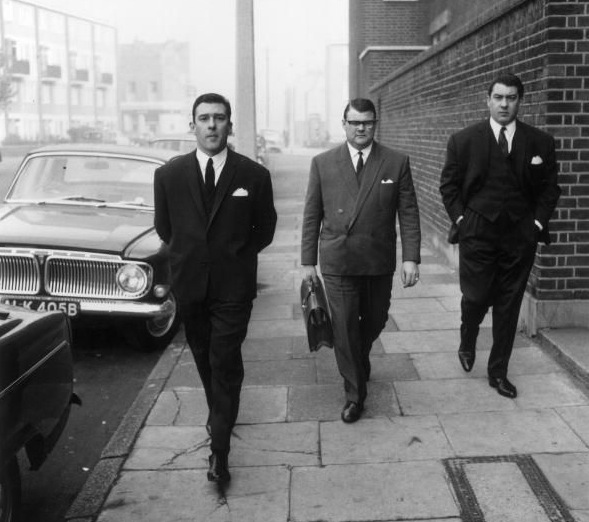
On the way to court

On the way to court

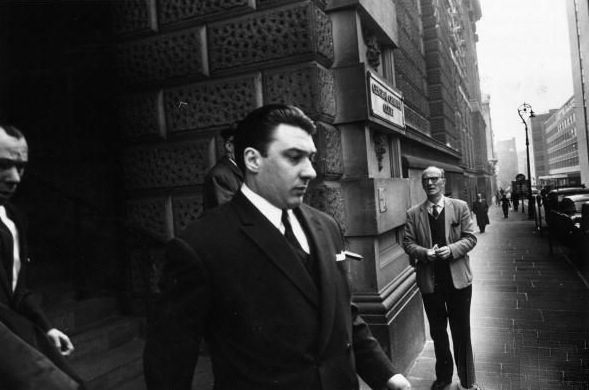
Ronnie leaving the court a free man April 1965

Ronnie leaving the court a free man April 1965

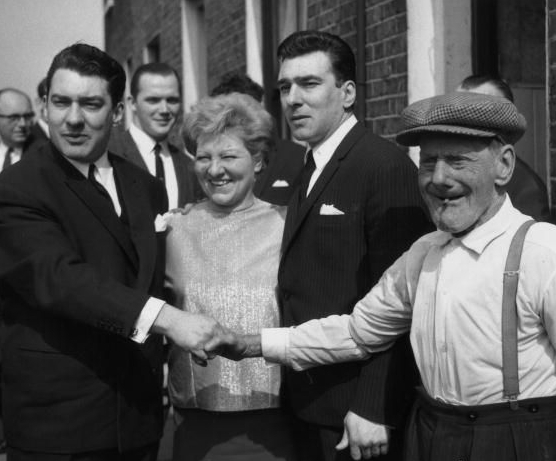
The twins welcomed back home by their parents Violet and Jimmy Lee

The twins welcomed back home by their parents Violet and Jimmy 'Cannonball' Lee

At the end of the trial the jury failed to reach an agreement and a re-trial was ordered however the judge eventually stopped the trial finding for the defendants. It must have seen to Fleet Street and the Metropolitan police that the Krays had a complete hold over the Establishment (surely it is without doubt that the Krays must have been essentially blackmailing Boothby for him to ask questions in the House of Lords on their behalf) and indeed their control over London’s underworld continued seemingly unchecked for the next four years.

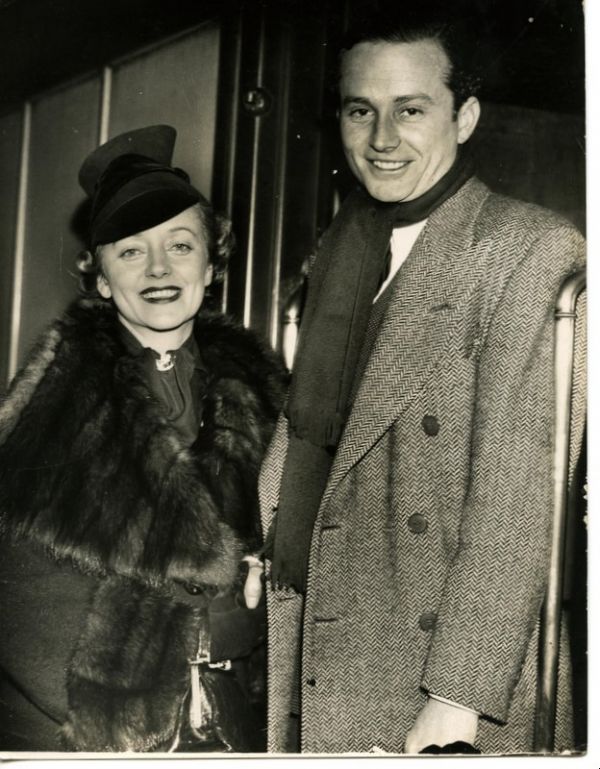
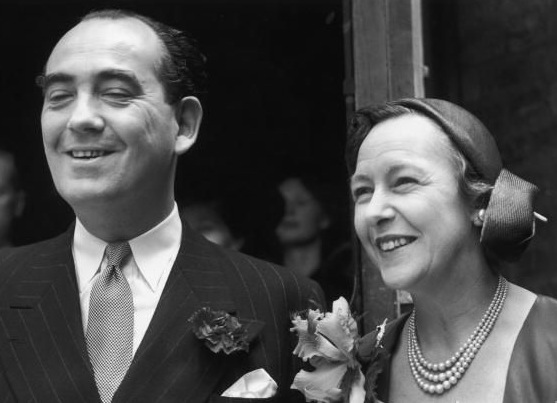
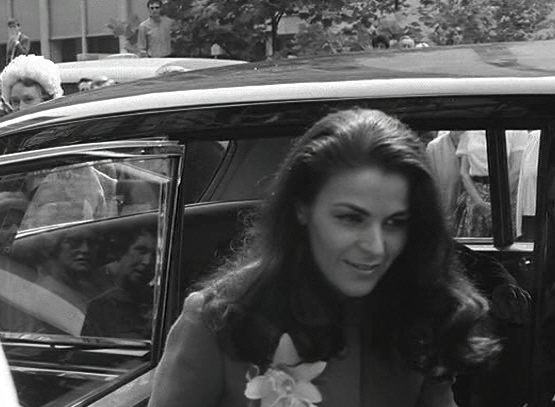
Wanda Sanna at her marriage to Lord Boothby 1967

Wanda Sanna at her marriage to Lord Boothby 1967

Lord Boothby married for the second time in 1967 to a Sardinian woman called Wanda Sanna thirty-three years his junior. ‘Don’t you think I’m a lucky boy!’ he shouted out to well-wishers outside the ceremony at Caxton Hall round the corner from his flat. He died in Westminster in 1986 aged 86.

The Krays were arrested again in 1969 for the murders of George Cornell and Jack ‘The Hat’ McVitie. Sixteen of their firm were arrested at the same time thus helping witnesses to come forward without fear of intimidation. As soon as people started speaking out it was relatively easy to gain a conviction. Ronnie and Reggie were sentenced to life-imprisonment with a non-parole period of 30 years for the murders of Cornell and McVitie, the longest sentences ever passed at the Central Criminal Court for murder.

Tom Driberg, known to many as ‘the most disreputable man in parliament’ was made a peer in 1974 and died of a heart-attack in the back of a taxi in the summer of 1976. Oh, for characters like Driberg (and Boothby for that matter) in these days of the horrifically bland New Labour politicians.

As for the third man in the picture, I can’t find out too much about what happened to the cat burglar Leslie Holt – he was far less in the public eye than the other characters in the story. He was Ronnie’s sometime driver and lover and he was used as occasional bait to entrap the likes of Robert Boothby and Tom Driberg (who both loved the occasional dangerous foray to the other side of the tracks). Holt eventually became the partner of a Dr Kells based in Harley Street and it was said that the society doctor would supply customers for his cat-burglary activities. It was a lucrative project that worked well until police became suspicious of the criminal double act. Holt suddenly died at the hands of Kells under anaesthetic for a foot injury and the doctor was arrested but eventually mysteriously acquitted.

boothby-and-kray

An excellent documentary The Gangster and the Pervert Peer made by Blakeway about the relationship between Ronnie Kray and Lord Boothby will be broadcast on Channel 4, Monday 16th February 2009.

Here are some great pieces of music that were in the charts from around the time the Boothby scandal broke. You can imagine Leslie Holt tapping his feet to some of them at the Hideaway if not the other two protagonists in the picture. The picture that the Sunday Mirror dared not print.

Terry Stafford – Suspicion

The Animals – Bury My Body

Dave Clark Five – Because

The Beatles – Any Time At All

Marvin Gaye – Can I Get A Witness

Share

Mayfair, the Duchess of Argyll and the Headless Man polaroids

Sunday, October 5th, 2008

“She is a highly sexed woman who has ceased to be satisfied with normal sexual activities.”

Margaret, Duchess of Argyll

Margaret, Duchess of Argyll

48 Upper Grosvenor Street was once dubbed by John Paul Getty as “Number One, London” and it was the Mayfair house where one of the most celebrated sex scandals of the Sixties took place.

A series of Polaroid photographs were used as evidence in the bitter and acrimonious divorce case between the Duke and Duchess of Argyll in 1963. They featured Margaret the Duchess, a former debutante of the year, in her Art Deco-style bathroom at her Upper Grosvenor Street home dressed in nothing but her signature three-strand pearl necklace. More shockingly they showed her performing fellatio on a naked man whose identity was concealed because his head was not captured within the frame. Other polaroid photographs showed a man masturbating for the camera in the same bathroom.

The press, overexcited with the ongoing Profumo affair, started to question who exactly was the headless man? There were very strong rumours that it might be be a cabinet minister or even a famous film star.

Number One, London

Number One, London

Duke and Duchess of Argyll not long after their wedding

Duke and Duchess of Argyll not long after their wedding

The Duke and the Duchess, both divorcees, had met on a blind date in 1950 and married in 1951 at Caxton Hall registry office. The marriage quickly crumbled however and the Duchess later admitted that she was having affairs by 1954 and the Duke filed for divorce in 1959 after finding his wife’s salacious diaries and the compromising polaroids. After four years of legal wrangling the case reached the court in 1962 but it wasn’t until May 1963 that the judge Lord Wheatley issued his damning verdict and in a four-and-a-half hour judgement, read out:

“She is a highly sexed woman who has ceased to be satisfied with normal sexual activities and has started to indulge in disgusting sexual activities to gratify a debased sexual appetite. A completely promiscuous woman whose sexual appetite could only be satisfied by a number of men, whose promiscuity had extended to perversion and whose attitude to the sanctity of marriage was what moderns would call enlightened, but which in plain language was wholly immoral.”

The press had a field day and the Duchess’s reputation was ruined, not only because of the polaroid photos, but that she was accused of sleeping with eighty eight men including two cabinet ministers and two members of the royal family.

It was said that an accidental fall, forty feet down a lift-shaft during the war, left her not only with a lack of taste and smell but with a voracious sexual appetite bordering on nymphomania.

The Duchess in July 1963

The Duchess in July 1963

Within two weeks of the judge Wheatley’s verdict on June 5 John Profumo resigned after admitting that he had slept with Christine Keeler. The Duke and Duchess and the headless man photos were for a short while almost forgotten. However, at a stormy cabinet meeting on June 20, the Defence Secretary Duncan Sandys (pronounced Sands), incidentally the son-in-law of Winston Churchill, confessed that he was rumoured to be the headless man.

Sandys offered to resign, but he was dissuaded by Prime Minister Macmillian who, because of the Profumo affair, was frightened of even more scandal for the Government. Lord Denning, who had already been commissioned to investigate the Profumo scandal, was also asked to investigate the identity of the headless lover as part of the remit.

Lord Justice Denning on the day his report was published

Lord Justice Denning on the day his report was published

Duncan Sandys

Duncan Sandys

Douglas Fairbanks Jnr around the time of the affair

Douglas Fairbanks Jnr around the time of the affair

There were four polaroids of a man in different states of arousal each with handwritten captions: “before”, “thinking of you”, “during – oh”, and “finished”. Denning knew that if he could match the handwriting, he would find his man. He cunningly invited the five key suspects – Sandys, the American actor Douglas Fairbanks Jnr, American businessman John Cohane, Peter Combe, an ex-press officer at the Savoy, and Sigismund von Braun, the diplomat brother of the Nazi scientist Werner von Braun – to the Treasury and asked for their help in a “very delicate matter”.

On arriving they all signed the visitor’s register and their handwriting was analysed by a graphologist. The result proved conclusive. Although Denning didn’t include the result in his report the headless man was identified by the handwriting expert as the actor Douglas Fairbanks Jr.

Duncan Sandys, much to his relief, appeared to be in the clear, but thirty seven years later in the year 2000 a Channel 4 documentary about the case featured a man called Paul Vaughan, a friend of the Duchess’s. He reported that she had once said to him;

“Of course, sweetie, the only Polaroid camera in the country at this time had been lent to the Ministry of Defence.”

The programme analysed the film and found that it was taken in 1957 (Sandys was the Defence Minister at this time) and concluded with this new evidence that there had been two men in the photos and that Duncan Sandys had been one of them.

Although I admit that I haven’t seen the documentary, but in 1957 Polaroid cameras had been selling commercially for eight years and Polaroid had actually sold their millionth camera the year before in 1956. It therefore defies credibility that the Ministry of Defence had had the only Polaroid camera in the entire country. So it seems to me that the documentary’s conclusion is on very shaky ground and perhaps Sandys was completely innocent after all.

Early Polaraoid Camera from 1949

Early Polaraoid Camera from 1949

Polaroid Camera model 95B - probably the type used in the Duchess's bedroom

Polaroid Camera model 95B - probably the type used in the Duchess's bedroom

The Duchess’s reputation, of course, was ruined after the divorce case and ensuing scandal, but she was also ruined financially and eventually had to sell her house in Upper Grosvenor Street. She died in a Pimlico nursing home in July 1993 and was buried next to her first husband, the amateur American golfer Charles Sweeney.

Duchess of Argyll at her house in Upper Grosvenor Street

Duchess of Argyll at her house in Upper Grosvenor Street

Incidentally, before she died the duchess wrote:

“I had wealth, I had good looks. As a young woman I had been constantly photographed, written about, flattered, admired, included in the Ten Best-Dressed Women in the World list, and mentioned by Cole Porter in the words of his hit song ‘You’re the Top’.”

She was indeed mentioned in the Porter’s classic song, under her name from her first marriage to Charles Sweeny, but the lyrics were from PG Wodehouse’s slightly rewritten and quietly forgotten British version of the song which changed Porter’s lyrics from:

You’re the nimble tread of the feet of Fred Astaire
You’re an O’Neill drama,
You’re Whistler’s mama!
You’re camembert.

to

You’re Mussolini
You’re Mrs Sweeny
You’re Camembert.

Mussolini with his pet lion cub Ras

Mussolini with his pet lion cub Ras

PG Wodehouse, although one of the wittiest writers ever, was always slightly politically suspect especially when it came to accidentally appeasing fascists. He didn’t really do himself any favours in that respect when he rhymed Mrs Sweeny with Mussolini in his version of You’re The Top.

TheLondon transfer of Porter’s musical Anything Goes opened on June 14, 1935 and it was only three months later that the Italian dictator, who had been in power since 1922, ordered the bombing and the use of poisonous mustard-gas in the Italian invasion of Ethiopia.

If Wodehouse thought Mussolini was the top, God only knows what he considered the bottom. There again perhaps it was just playful irony from Wodehouse and he just enjoyed comparing Mrs Sweeny with Mussolini.

Ethel Merman – You’re The Top
Ethel Merman – Blow, Gabriel, Blow
Frank Sinatra – Anything Goes
Eileen Rodgers – I Get A Kick Out Of You
Divine Comedy – A Lady Of A Certain Age

Share