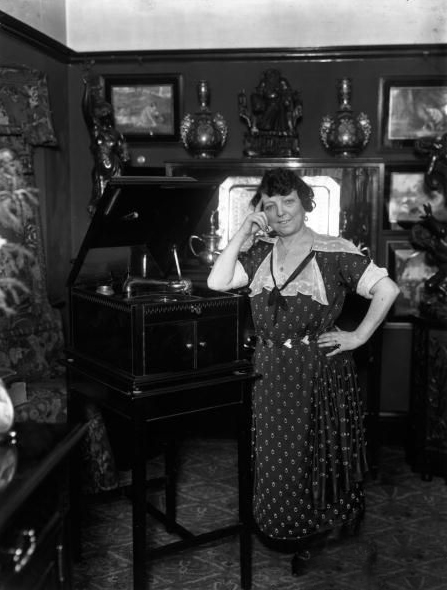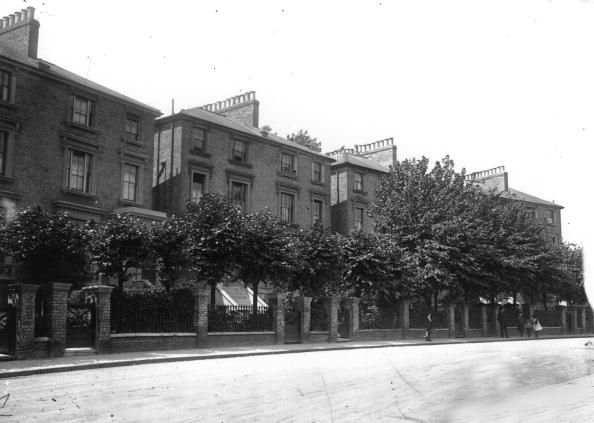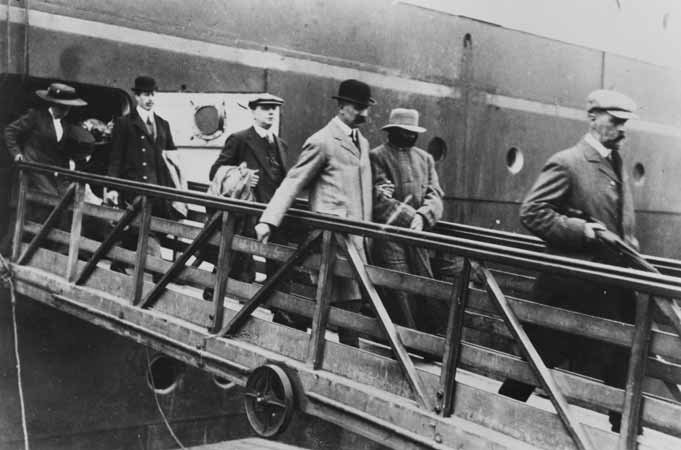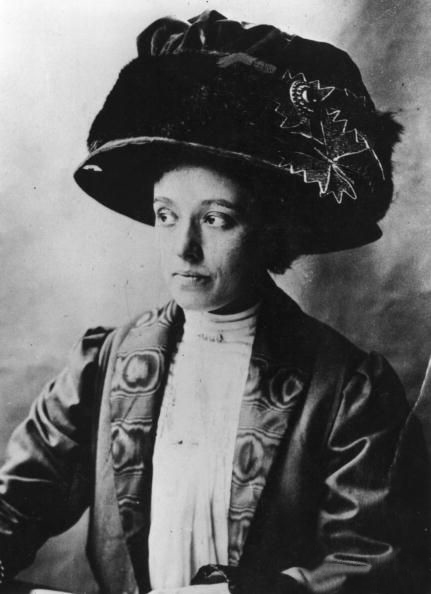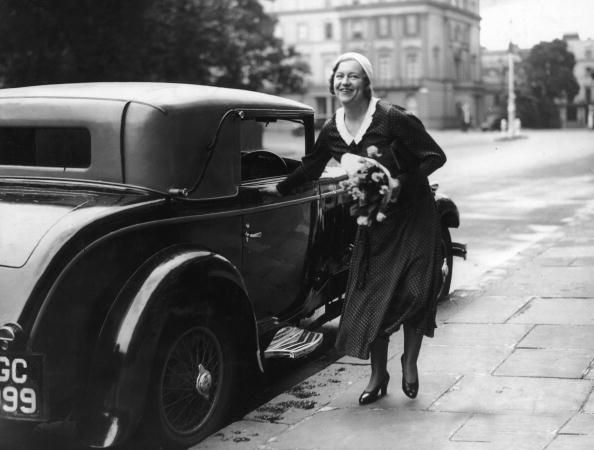
Elvira Barney arriving at her parents house at 6 Belgrave Square, 7th July 1932
Visiting England apparently on a whim and a year before she appeared in her first film late in 1925, Louise Brooks became a dancer at the Cafe de Paris in Coventry Street. She was just seventeen and it was here that she reputedly became the first person to dance the Charleston in London. The Piccadilly nightclub had quickly become fashionable with London society after it had opened in December 1924, not least because the Prince of Wales became a regular visitor.
Brooks later wrote about the so-called ‘Bright Young Things’ she had met during her time in London and waspishly described them as a ‘dreadful, moribund lot’. She added that when Evelyn Waugh wrote Vile Bodies about them, only a genius could have made a masterpiece out of such glum material.
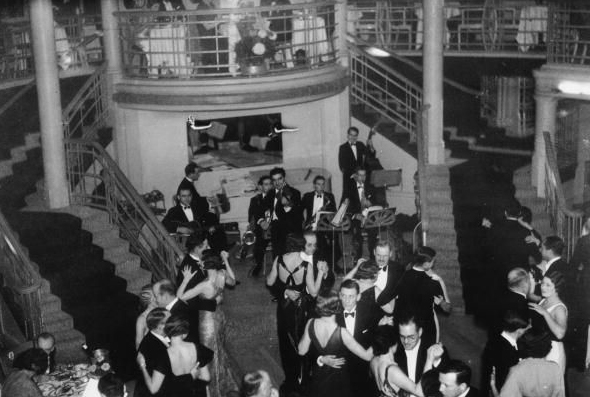
The Cafe de Paris in 1932
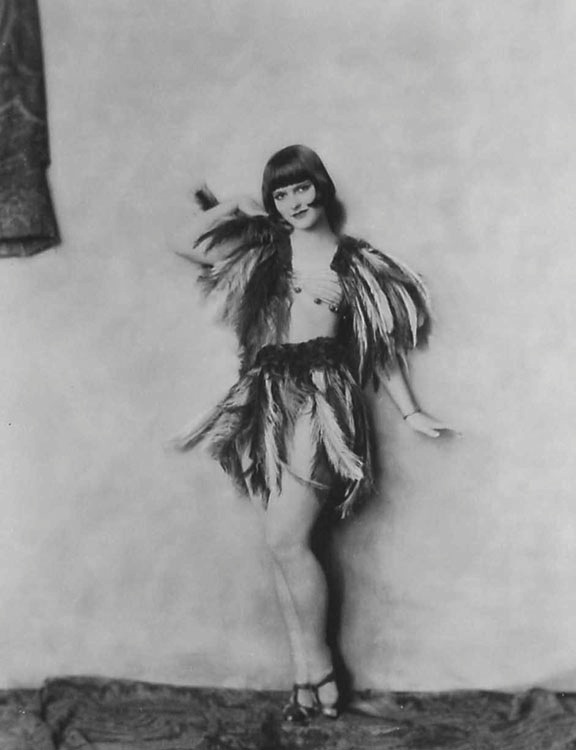
Louise Brooks in 1924
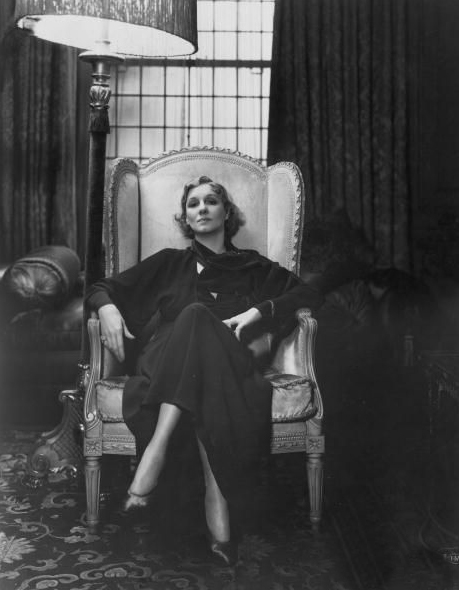
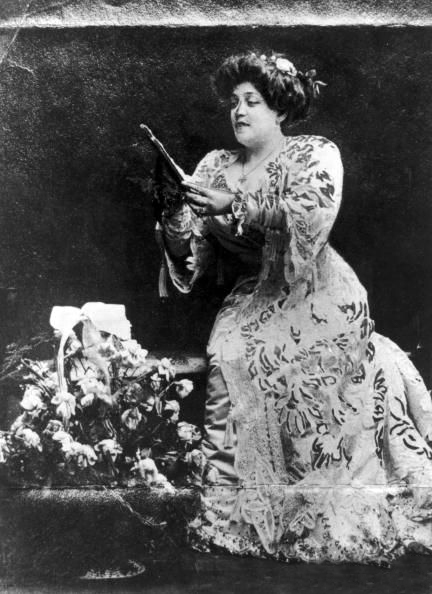
Marion Harris in London in 1932
In May 1932, and eight years after Brooks danced in front of the rich and famous at the Cafe de Paris, the celebrated American singer Marion Harris was in the middle of one of her long engagements at the night club. Harris was known to audiences at the time as the first white woman to sing the blues and after moving to England at the beginning of the thirties was performing to great success in London. The Prince of Wales was actually a big fan and often came to see her sing. One night after she had performed, the manager came into her dressing room excitedly announcing that the Prince had been so impressed that he would like her to have a drink at his table. Miss Harris coolly declined, telling him that “If your customers get to know you too well, they don’t come back and pay money to see you. The illusion is destroyed.”
She may have been on stage singing ‘the blues’ – the acts began their set at eleven – when just after midnight on 30th May 1932 an intoxicated couple (both of whom would have undoubtedly considered themself a Bright Young Thing), entered the famous West End night for a rather late supper.
The couple were Elvira Barney and her louche bisexual lover Michael Stephen and they had travelled by cab to Coventry Street after holding one of their numerous parties at the home they shared in Williams Mews just off Lowndes Square in Knightsbridge. After they had finished their meal at the Cafe de Paris and had further drinks at The Blue Angel in Dean Street they returned back home in the early hours of that morning.
It wasn’t long before the neighbours, not for the first time, started to hear screaming and yelling from the first floor and Elvira was reported to have shouted:
“Get out, get out! I will shoot you! I will shoot you!’
Almost immediately the street heard the report of a pistol shot echoing into the night and almost immediately a neighbour heard Barney crying
“Chicken, chicken, come back to me. I will do anything you want me to.”
At about 4.50am, after a frantic call to his house just ten minutes earlier, Doctor Thomas Durrant arrived at 21 Williams Mews and came across Barney continually repeating:
“He wanted to see you to tell you it was only an accident. He wanted to see you to tell you it was only an accident.”
On the stairs, shot in the chest at close range, lay a distinctly moribund Michael Stephen.
‘There was a terrible barney at no. 21′, a neighbour later told the police, apparently unconscious of the pun.
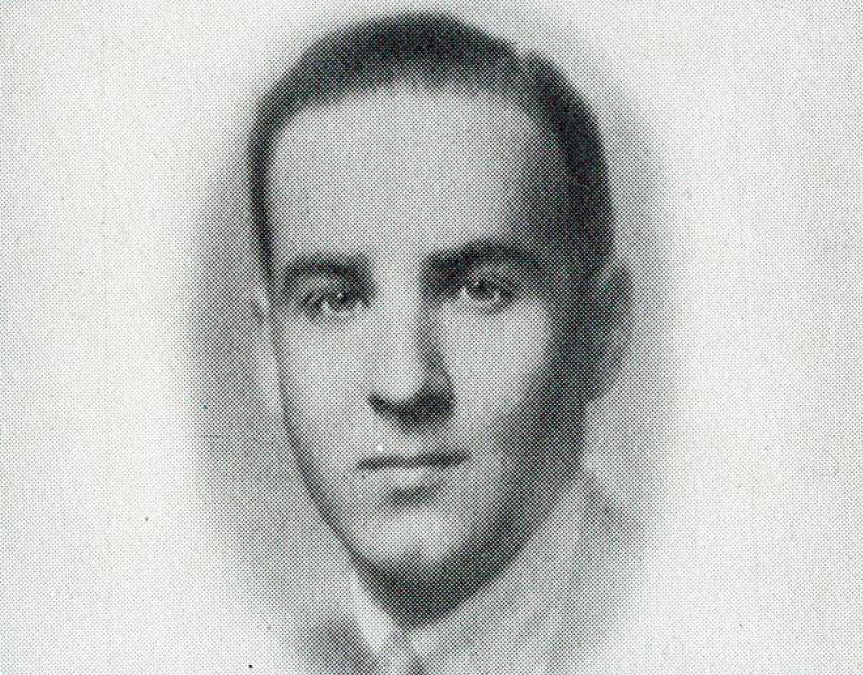
Michael Stephen
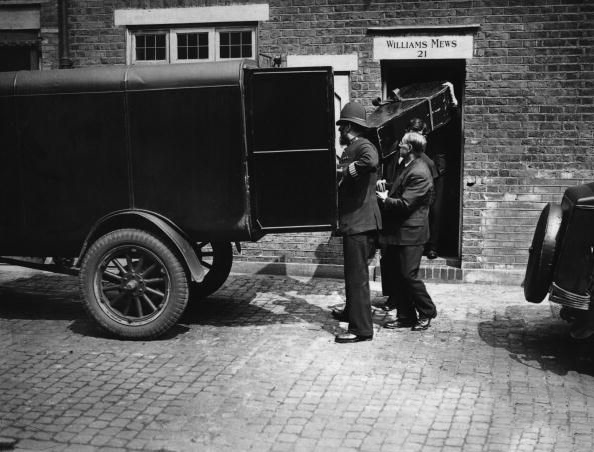
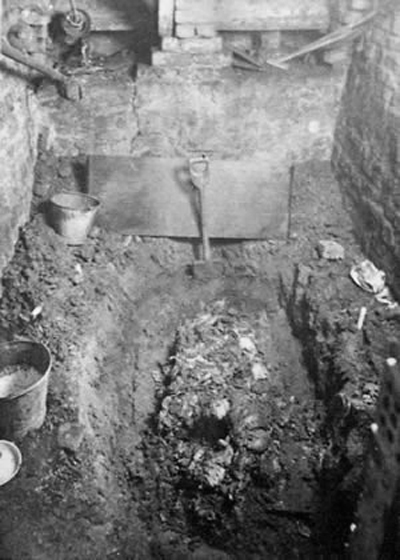
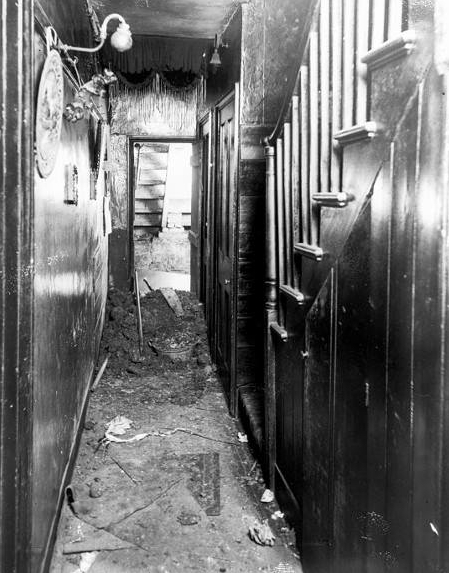
21 William Mews and a dead Michael Stephen
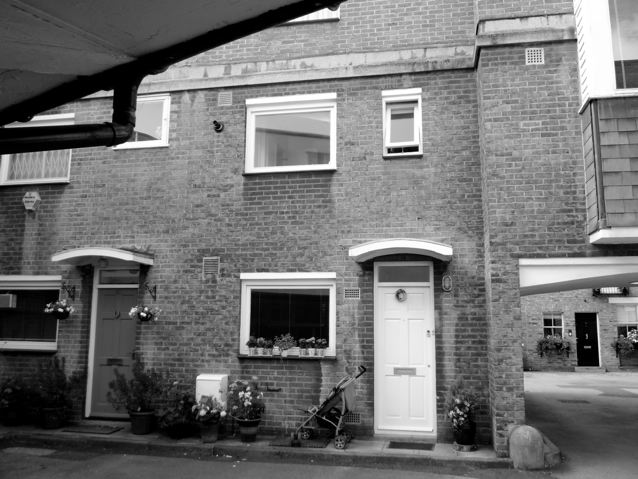
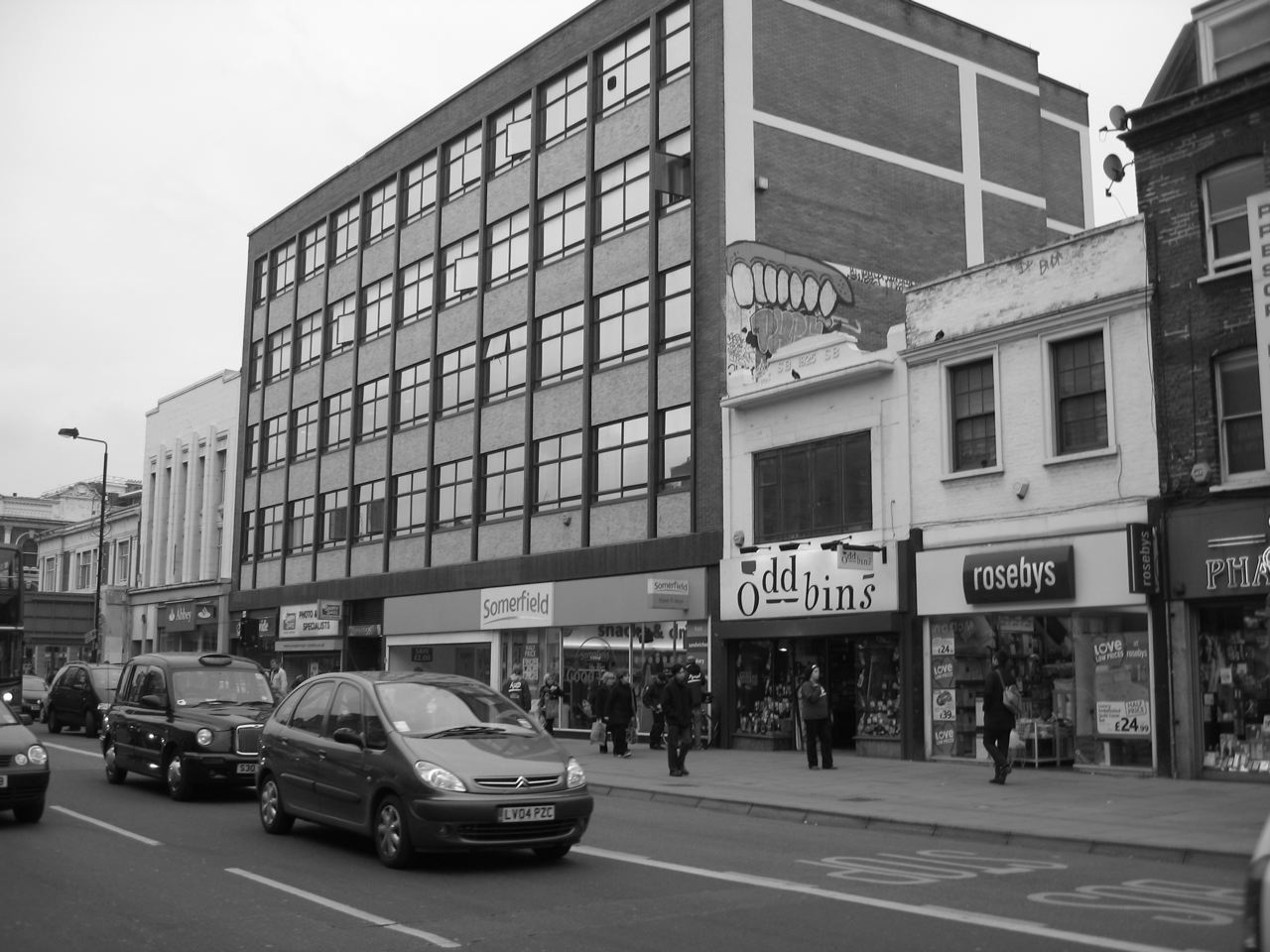
21 William Mews today
Macdonald Hastings wrote about the fatal evening in his book The Other Mr Churchill, (this Mr Churchill was a forgotten about firearms expert and not the prestigious Prime Minister) and he described the police being incredibly shocked when they entered the mews house:
‘Over the cocktail bar in the corner of the sitting room there was a wall painting which would have been a sensation in a brothel in Pompeii. The library was furnished with publications which could never have passed through His Majesty’s Customs. The place was equipped with the implements of fetishism and perversion.’
Shocked or not, and despite Elvira at one point striking Inspector Campion in the face saying: “I will teach you to say you will put me in a cell, you vile swine,” after she had made her statement, the police, obviously knowing their place, simply allowed her to go back to her family home at nearby 6 Belgrave Square. She was accompanied by her parents, Sir John and Lady Mullens.
Four years previously, a twenty-three year old Elvira, despite her parents protestations, had married an American singer and entertainer called John Sterling Barney. When they met, at a society function held by Lady Mullens, he had been performing in a ‘top-hat, white-tie and tails’ trio called The Three New-Yorkers. They were relatively successful in the UK at the time and often played at the Cafe de Paris.
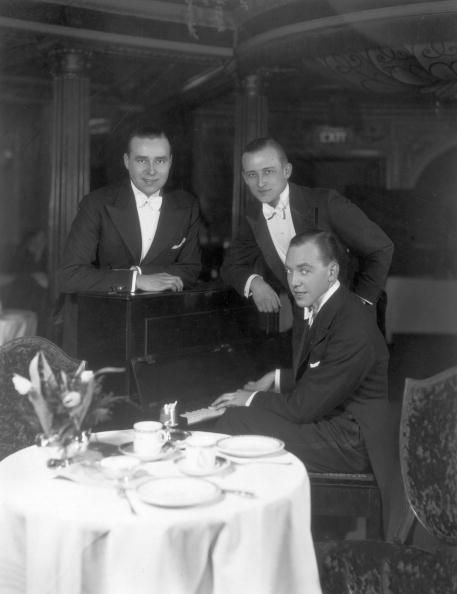
The Three New Yorkers at The Cafe de Paris - John Barney is on the left
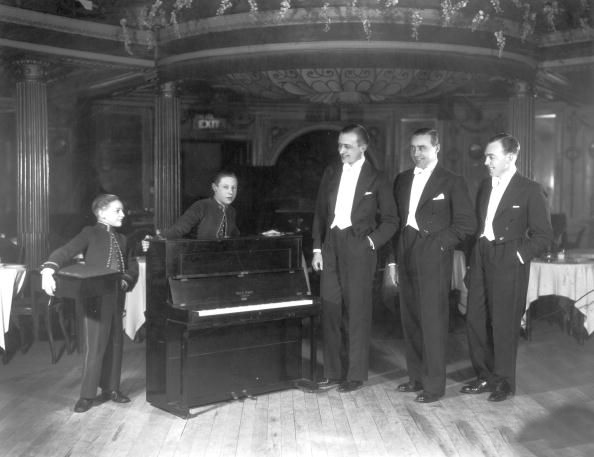
The Three New Yorkers and a couple of Bell-boys
By many accounts the facile John Barney was a rather unpleasant man and a friend of Elvira’s once recalled:
“One day she held her arms in the air and the burns she displayed – there and elsewhere – were, she insisted, the work of her husband who had delighted in crushing his lighted cigarettes out from time to time on her bare skin.”
Violent rows started within weeks of the marriage and after a few months the American returned back to the United States never really to be heard of again. Elvira, according to her biographer Peter Cotes, went off the rails and ‘started sniffing the snow…and became the demanding but generous mistress of a number of disorientated and sexually odd lovers.’ Unfortunately he doesn’t really go into any more detail but the description goes someway to explain how, at the start of 1932, she ended up sharing her bed (and her bank account) with the drug-dealing ‘dress-designer’ Michael Scott Stephen.
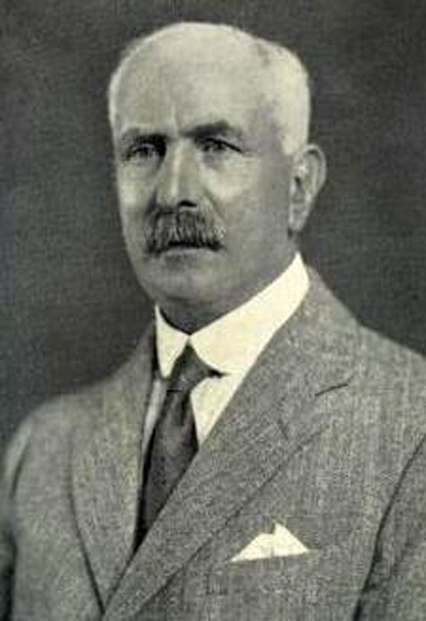
Sir John Mullens, with his society connections managed to persuade the former Attorney-General Sir Patrick Hastings to defend his daughter. Hastings, in his early fifties, was at the height of his fame as a Kings Council and towards the end of the trial made a final address to the jury, that the judge – a Mr Justice Humphreys – later called the best he had ever heard.
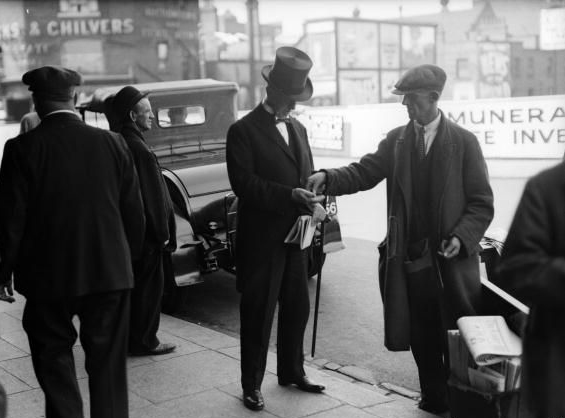
The Honourable Mr Justice Humphreys picking up a London Metro on the way to court
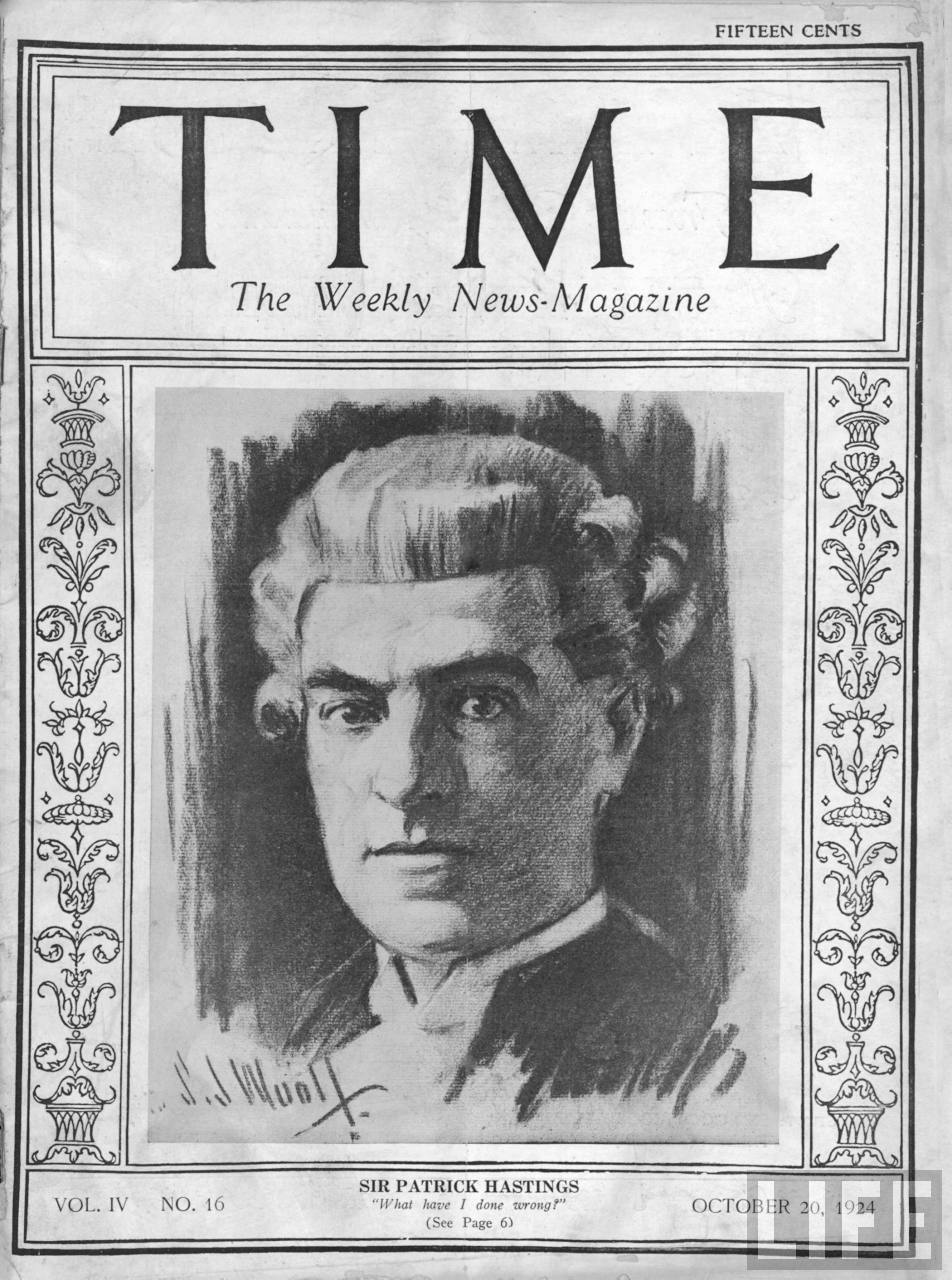
Sir Patrick Hastings on the cover of Time in 1924
The jury must have also been impressed with Sir Patrick’s speech and after two hours returned a not guilty verdict. On his way out of the court Mr Justice Humpheys exclaimed:
‘Most extraordinary! Apparently we should have given her a pat on the back!’
The jury had acquitted her but Fleet Street weren’t going to let her off that easily and they gleefully reported that Elvira Mullens (the name she had reverted to) had shouted on the dance floor of the Cafe de Paris soon after the court case,
‘I am the one who shot her lover – so take a good look at me.’
Sir Patrick Hastings described Elvira during the trial as ‘a young woman with the rest of her life before her’. Unfortunately the rest of her life lasted a only four short years and she was found dead in a Parisian hotel room. After a typical long night of drinking and taking cocaine she had decided to return back to her room complaining that she felt cold and unwell. She was discovered later that night half on her bed, half off, with signs of haemorrhage around her mouth. The years of drinking and drug-taking had finally taken their toll.
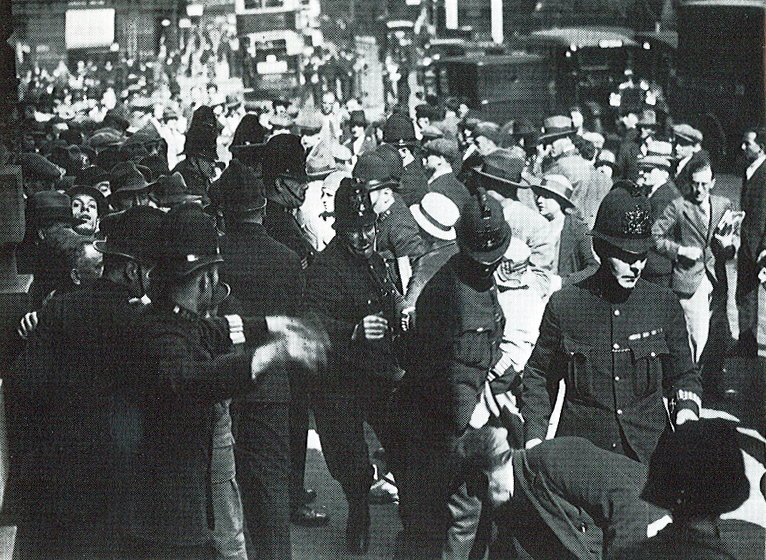
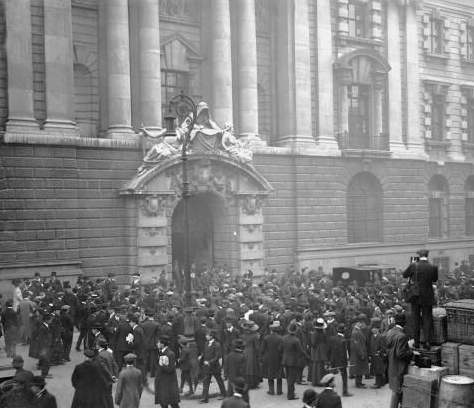
The police holding back the crowd at the Old Bailey during the trial of Elvira Barney
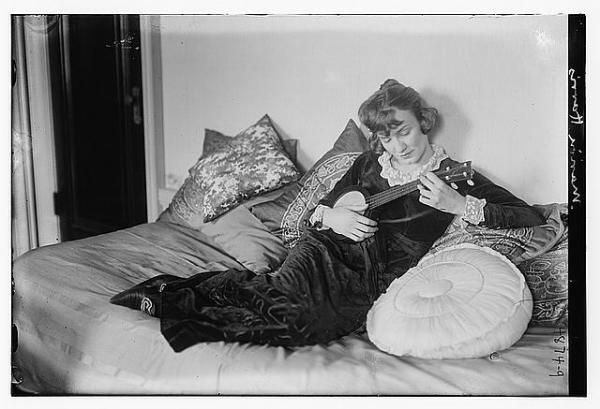
Marion Harris in New York
Not long after Elvira Barney’s death in Paris, Marion Harris retired from showbusiness and married a successful English theatrical agent called Leonard Urry. In early 1944 their home in Rutland Street (just a few hundred yards west of Williams Mews) was razed to the ground by a V1 flying bomb.
Harris returned to America completely traumatised and never really recovered from seeing her home completely destroyed. On Sunday, April 23, 1944, alone in a New York hotel room she fell asleep while smoking a cigarette. It set the room alight and it was never disclosed whether she died of burns or suffocation from the smoke.
The Cafe de Paris, unlike the majority of theatres and nightclubs in the West End, remained open at the start of the second world war. This was probably because of the rich and famous patrons having a slight influence on the wartime licensing regulations, however it was said that the dance-floor was so far underground that it would be completely safe when the air-raid sirens sounded.
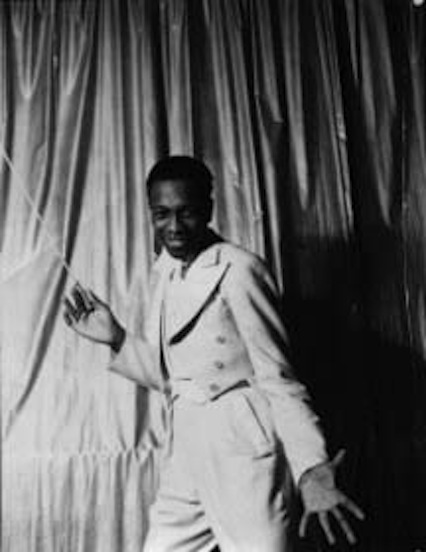
Ken 'Snakehips' Johnson
On Saturday 8th March 1941 Ken ‘Snakehips’ Johnson and the West Indian Orchestra were playing at the Cafe de Paris as usual. While carefully not mentioning the actual club or the band leader (due to wartime censorship) Time magazine reported what happened subsequently:
The orchestra at London’s Cafe de Paris gaily played Oh, Johnny, Oh Johnny, How You Can Love! At the tables handsome flying Johnnies, naval Jacks in full dress, guardsmen, territorials, and just plain civics sat making conversational love. The service men were making the most of leave; the civilians were making the most of the lull in bombings of London.
Sirens had sounded. Most of London had descended into shelters, but to those in the cabaret, time seemed too dear to squander underground. Bombs began to fall near by: it was London’s worst night raid in weeks. The orchestra played Oh, Johnny a little louder.
Then the hit came. What had been a nightclub became a nightmare: heaps of wreckage crushing the heaps of dead and maimed, a shambles of silver slippers, broken magnums, torn sheet music, dented saxophones, smashed discs.
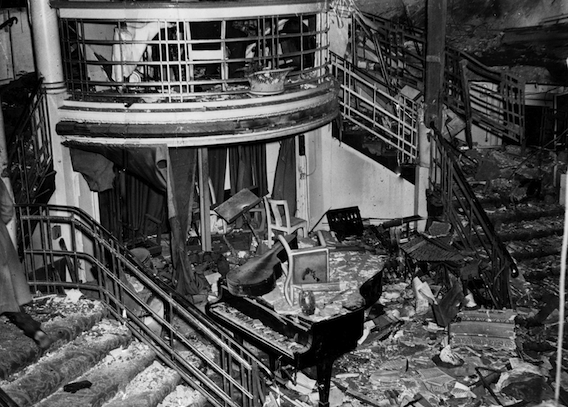
A special constable with the rather splendid name Ballard Berkeley was one of the first on the scene. He saw Snakehips Johnson decapitated and elegantly dressed people still sitting at tables seemingly almost in conversation, but stone dead. He was shocked to see looters, mingling with the firemen and the police, cutting the fingers from the dead to get at their expensive rings. Ballard Berkeley many years later became famous as the actor who played the major in Fawlty Towers.
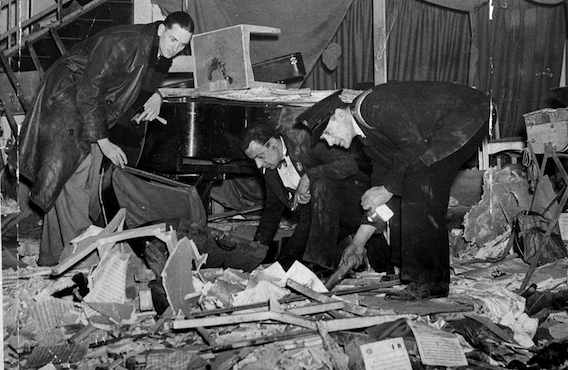
Cafe de Paris, 9th March 1941
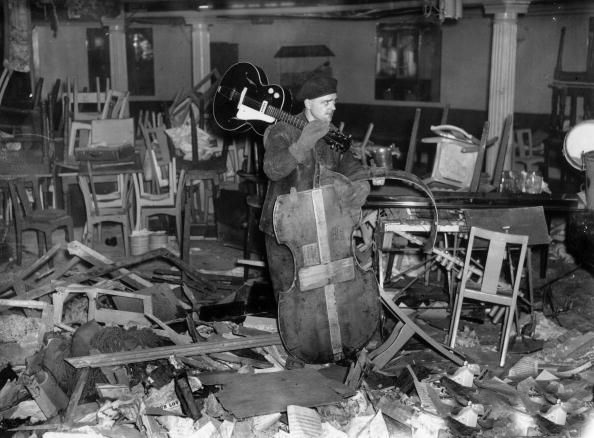
In 1929 British International Pictures released Piccadilly starring the beautiful Chinese-American actress Anna May Wong. The scene where Wong’s character Shosho performs her exotic dance in front of an adoring nightclub crowd was filmed in location at the Cafe de Paris. The film also includes a brief appearance from Charles Laughton playing a gluttonous diner – his first feature film performance.
In 1948, the Cafe de Paris was refurbished and seven years after the tragic death of Snakehips Johnson the doors reopened. Although it was again graced by royalty, notably Princess Margaret, the club never really regained its sophisticated aura it had before the war.
The only evening of note I can find was on 29th September 1965 when Lionel Blair introduced, to an extremely grateful public no doubt, his new dance called ‘The Kick’.I’m not sure but I don’t think it was a storming success.
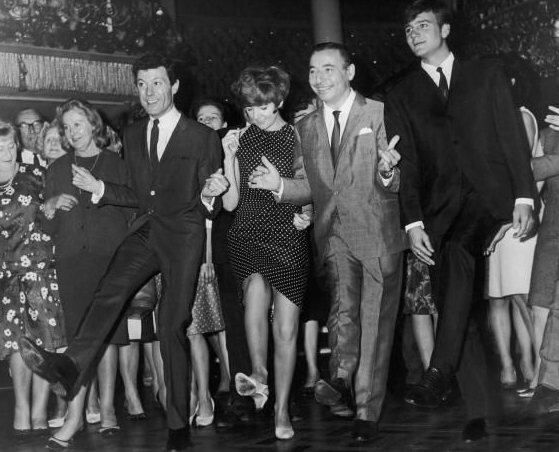
Lionel Blair accompanied by Cilla Black, Joe Loss and Billy J Kramer dance 'The Kick' at the Cafe de Paris in 1965
Billie Holiday – These Foolish Things
Al Bowlly – Dinner For One Please, James